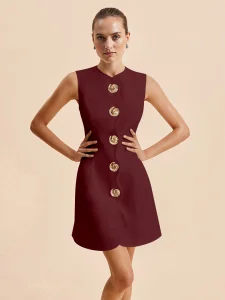
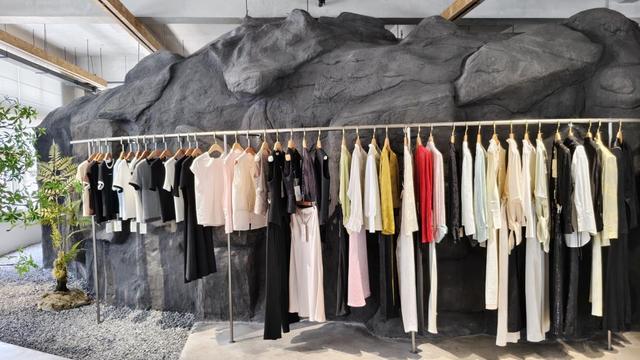
Curated selections tailored to modern curves, featuring high-grade silhouettes, optimized for retail environments.
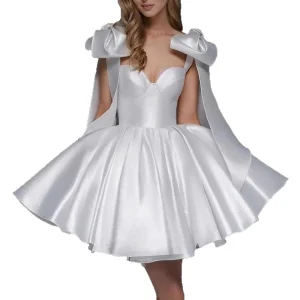
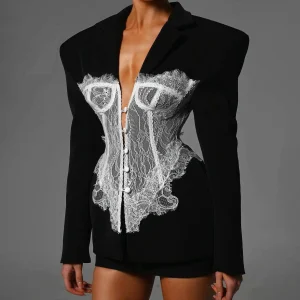

A comprehensive B2B sourcing analysis mapping consumer behavior, physical metrics, and supply chains.
Brazil’s apparel market is undergoing a structural transformation. Within the formal wear and evening gown sectors, demand is shifting rapidly from standard sizing models to highly specialized fits, particularly petite sizing. Historically, imports to Brazil suffered from design discrepancies because global exporters overlooked the distinctive anthropometric profile of the Brazilian consumer. For petite women (defined typically as 1.60 meters/5'3" and under), standard formal wear patterns fail to align with local requirements. Standard adjustments do not suffice: modifications must originate at the design and cutting phase—focusing on shorter torso lengths, elevated waistlines, recalibrated armholes, and optimized inseams that respect local body dynamics.
The Brazilian Association of Technical Standards (ABNT) has established strict guidelines under ABNT NBR 16074 regarding physical size labels. In Brazil, standard measurements incorporate curves and proportions that differ slightly from typical East Asian or Western European blocks. Petite formal garments require particular precision. For example, a petite cocktail dress or a tailored business blazer must reflect structural adjustments:
Dongguan Aurelia Glass Co., Ltd. has integrated these regional requirements into its design blueprints. By utilizing digital 3D CAD modeling, our design teams modify grading rules for petite dimensions. We shorten length metrics while maintaining proportional hip measurements, ensuring that garments fit securely and comfortably, meeting the expectations of premium Brazilian consumers.
How we combine advanced textiles with specialized apparel pattern design.
Utilizing high-recovery elastane-polyester blends, eco-friendly viscose, and natural cotton blends to support comfortable structured tailoring suitable for warm Brazilian climates.
Export compliance support including standard documentation, material safety testing, and pre-shipment inspections to streamline clearance at Brazilian ports (Santos, Paranaguá, Rio de Janeiro).
Dynamic lead times with options for low minimum order quantities (MOQs) alongside mass-manufacturing capabilities, minimizing supply chain risks for boutique seasonal collections.
Engineered for high-end retail distribution within dynamic metropolitan markets.
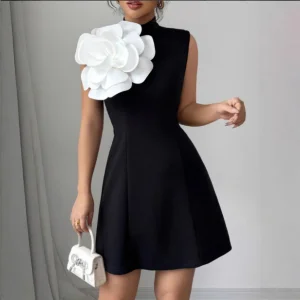
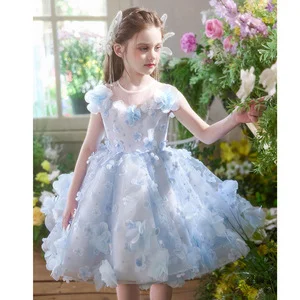

Understanding local import processes to optimize shipping schedules, customs clearance, and reduce delivery delays.
Importing textiles and finished garments into Brazil requires navigational expertise due to the country's complex tax structure (often referred to as the Custo Brasil). To successfully source formal wear, importers must manage multiple tariff layers and compliance registrations. At Dongguan Aurelia Glass Co., Ltd., we support our Brazilian partners throughout this process, preparing precise documentation to prevent delays during customs inspection.
The import of finished apparel (under HS Code Chapter 61 and 62) triggers several federal and state taxes. It is vital for procurement teams to compute their land-cost metrics accurately before finalizing supply contracts:
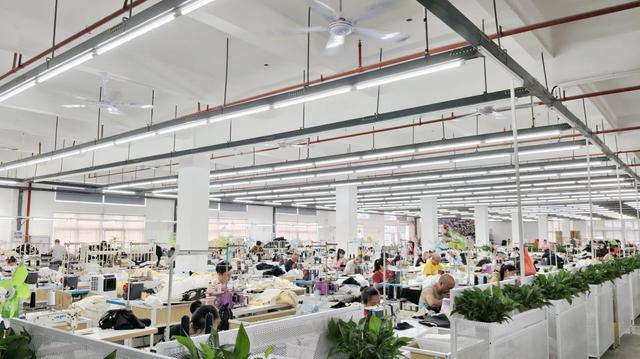
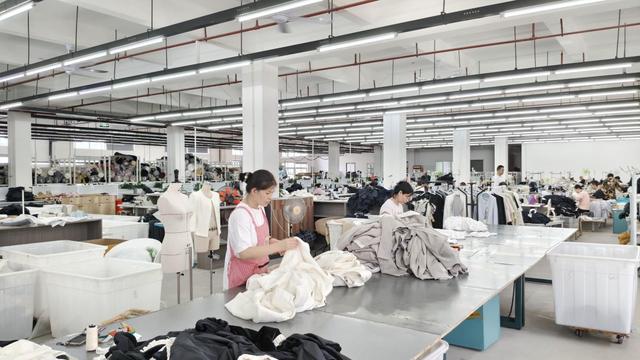
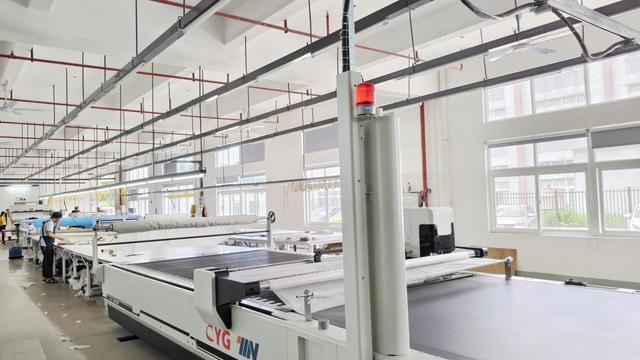
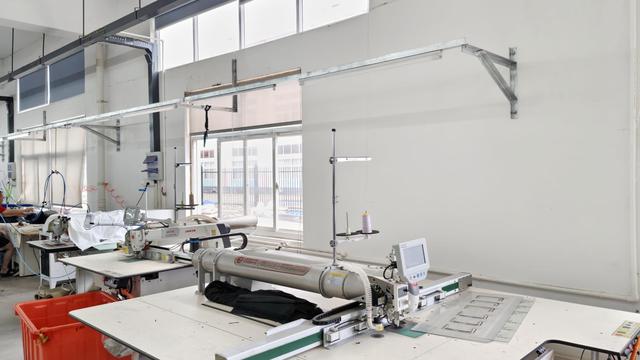
As a leading formal wear manufacturer, Dongguan Aurelia Glass Co., Ltd. applies engineering precision to apparel manufacturing. Our facility utilizes advanced 3D CAD modeling, laser fabric-cutting plotters, and semi-automated sewing cells. This integration allows us to achieve precise pattern grading, ensuring high quality control and consistency across production volumes. We balance scale with design flexibility, offering custom designs for high-end boutique collections as well as scaled runs for major department stores in Brazil.
Our commitment to sustainable production, advanced pattern design, and modern production standards.
We build virtual 3D mockups on calibrated digital avatars to verify dress movement, fit accuracy, and silhouette flow. This process minimizes fabric waste and reduces sample approval times by up to 60%.
Computerized cutting paths optimize marker utilization for delicate fabrics, including lace, silk, and heavy satins. This technology keeps alignment precise and reduces material waste.
We work with supply chains conforming to global social and environmental compliance, including OEKO-TEX Standard 100 and BSCI audits, supporting your brand's commitment to social responsibility.
Essential trade details regarding MOQs, customs, sizing calibrations, and shipping paths to South America.
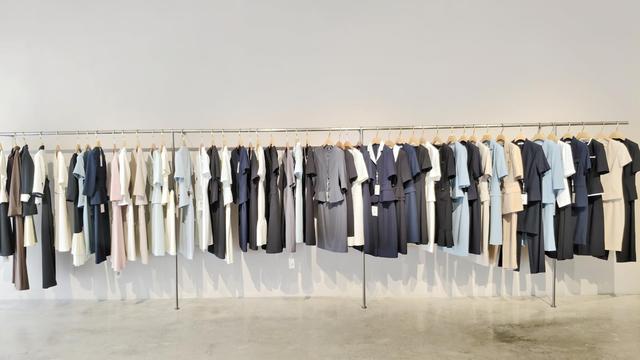
A comprehensive catalog of evening wear, business suits, and special occasion dresses for import orders.
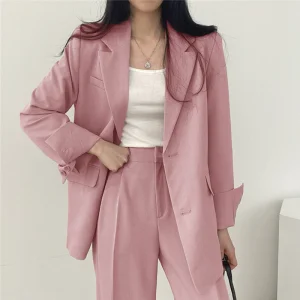

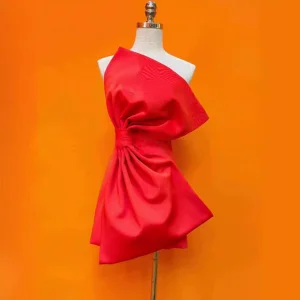



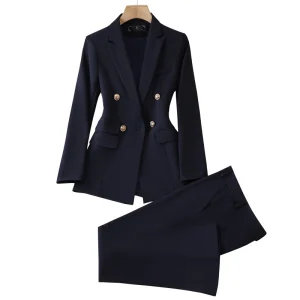
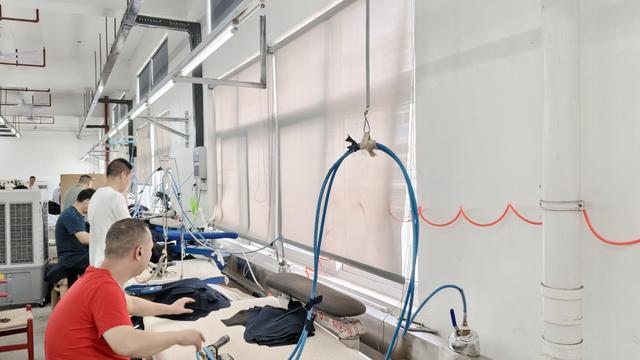
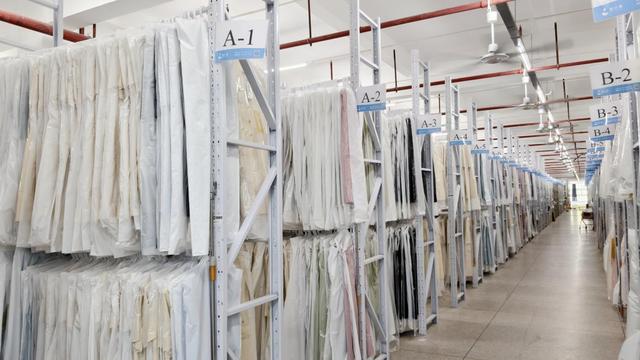
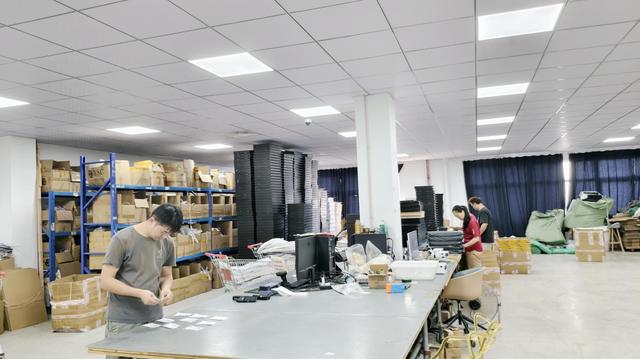
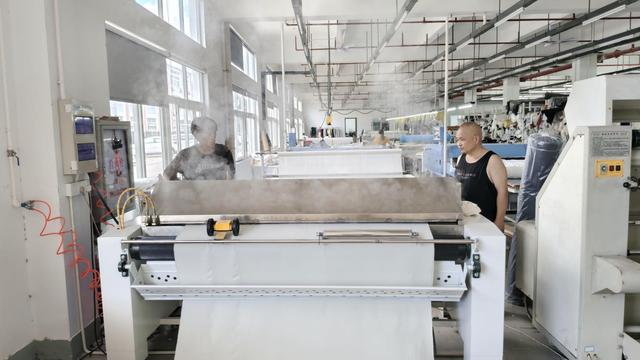
Take an inside look at our advanced pattern engineering workshop and logistics center.
 Stabiae Clothe