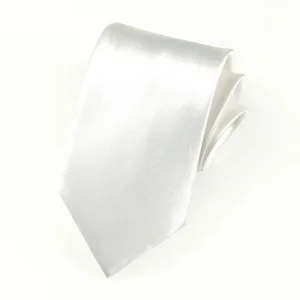
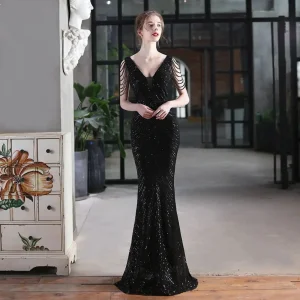
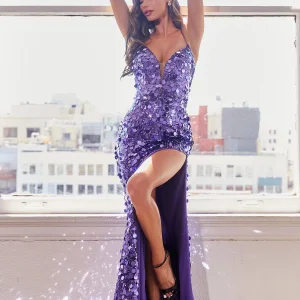
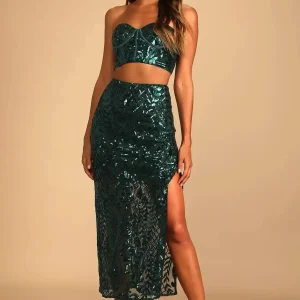
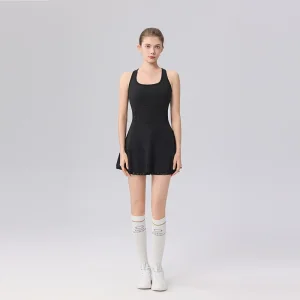
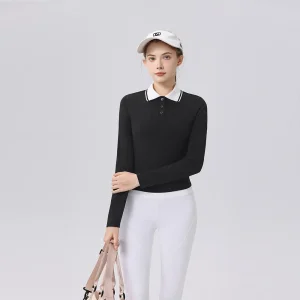
Expertly crafted garments matching the sophisticated tailoring expectations of Ginza, Roppongi, and Chiyoda business districts.
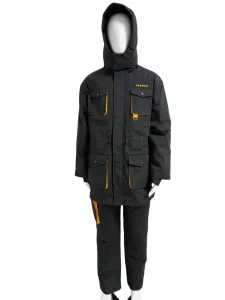
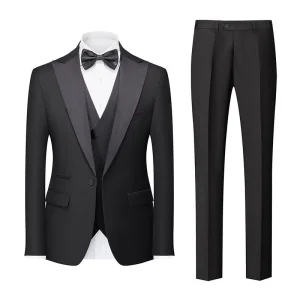
Dongguan Aurelia Glass Co., Ltd. is a professional Women’s Formal Wear manufacturer and a trusted Business & Evening Wear supplier based in Dongguan, China. The company specializes in designing, producing, and exporting elegant formal apparel for global fashion brands, retailers, boutiques, and private label clients.
With strong OEM and ODM manufacturing capabilities, Aurelia Glass Co., Ltd. provides comprehensive solutions including fashion trend analysis, fabric selection, pattern development, sample creation, bulk production, and international logistics. The company focuses on delivering high-quality women’s formal wear that combines elegance, comfort, and modern tailoring techniques.
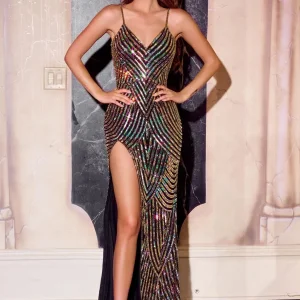
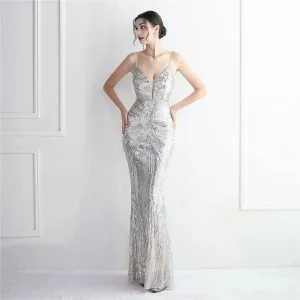
Its product range covers business formal wear, evening gowns, cocktail dresses, office suits, and elegant occasion outfits designed for weddings, corporate events, and upscale social gatherings. Each garment is crafted with attention to detail, refined silhouettes, and premium fabric selection to ensure a sophisticated appearance and comfortable fit.
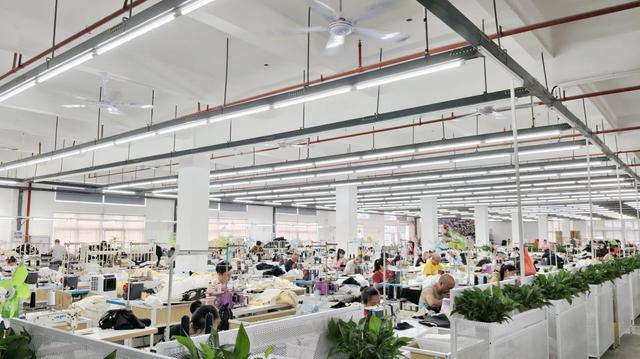
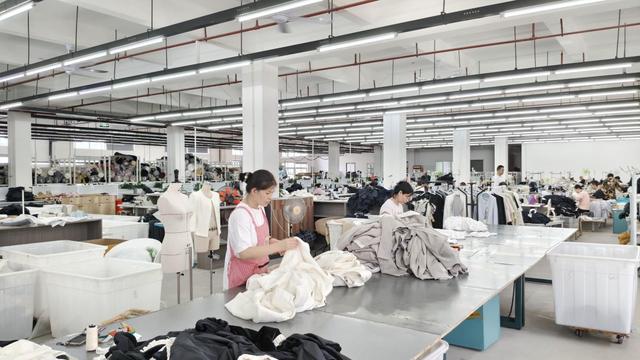
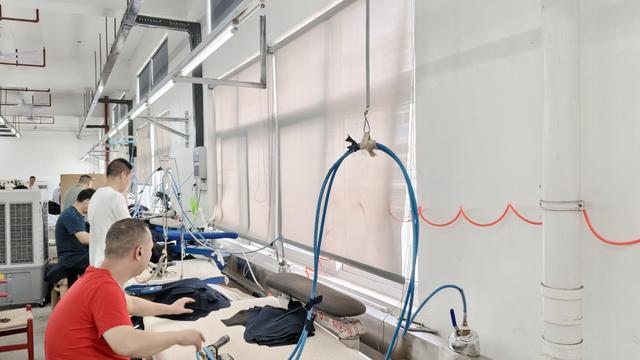
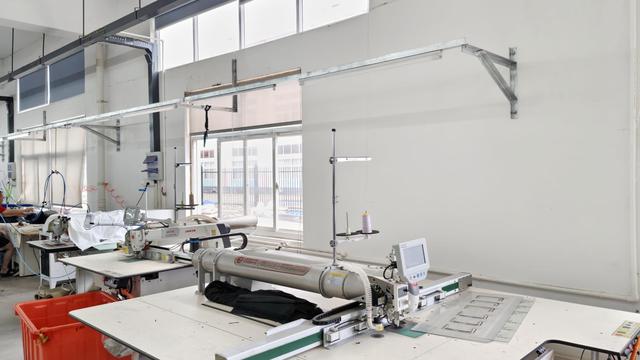
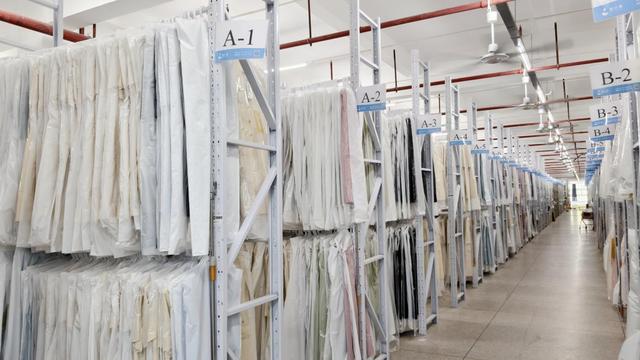
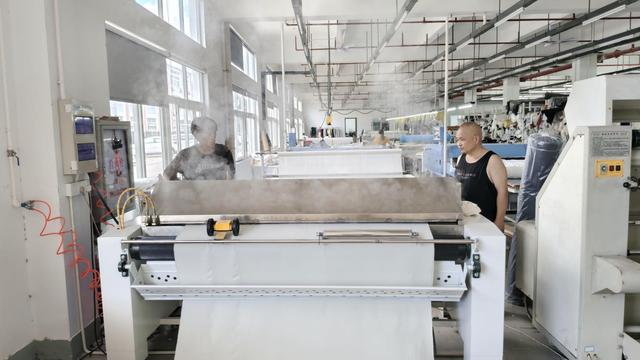
Dongguan Aurelia Glass Co., Ltd. operates advanced production facilities with strict quality control systems at every stage, from material inspection to final garment finishing. Skilled technicians and experienced designers ensure consistency, durability, and premium craftsmanship in every collection.
The company supports flexible production services, including small-batch customization for emerging brands and large-scale manufacturing for established global buyers. With efficient production management and competitive pricing, Aurelia Glass helps clients shorten product development cycles and enhance market competitiveness.
By combining innovation, craftsmanship, and fashion-forward design, Dongguan Aurelia Glass Co., Ltd. has become a reliable OEM & ODM partner for Women’s Formal Wear, delivering elegant, high-quality, and market-ready apparel solutions to customers worldwide.
Unveiling the structural requirements of formal apparel in Japan's capital.
The Tokyo metropolitan area represents one of the most sophisticated luxury fashion markets globally. In districts like Chiyoda (the political and diplomatic heart of Japan), Minato (home to global corporate headquarters and embassies), and Chuo (housing the historic luxury retail strip of Ginza), "Black Tie" is not merely a dress code—it is an exact protocol. Traditional ceremonies, imperial galas, corporate anniversaries (Sōryitsu Kinen), and international symposiums demand strict adherence to formal dress standards.
Historically, Japanese corporate culture values collective harmony and understated luxury. In the context of formal wear, this translates to an uncompromising demand for structural precision, stitch consistency, and color depth. Black tie fabrics in the Tokyo market must feature deep, light-absorbing blacks (often referred to as 'Ultra-Black' or 'Shikkoku') rather than standard charcoal tones. As a result, factories exporting to Tokyo must deploy advanced dyeing and finishing technologies to achieve this level of chromatic density.
Furthermore, Tokyo’s luxury hospitality sector—including iconic establishments like the Imperial Hotel Tokyo, The Palace Hotel, and newer luxury developments in Toranomon—drives a constant demand for high-performance waitstaff formal wear. These uniforms must endure high mechanical stress while maintaining an impeccable, wrinkle-free drape that reflects the property’s prestige. The union of Southern Chinese manufacturing efficiency with Tokyo’s strict aesthetic expectations creates a highly efficient, mutually beneficial trade dynamic.
Addressing the challenges of contemporary fashion production, customization, and logistics.
The global formal wear industry is undergoing a paradigm shift driven by digital integration, demand volatility, and sustainability requirements. In response to these shifts, leading OEM/ODM exporters like Dongguan Aurelia Glass Co., Ltd. have implemented a comprehensive suite of solutions:
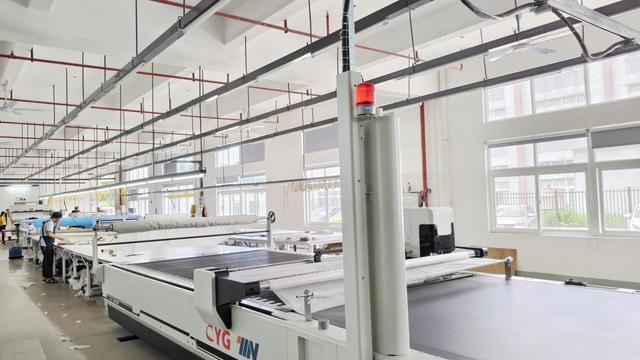
This systematic approach allows us to operate not just as a typical supplier, but as a strategic manufacturing partner. By integrating digital CAD pattern-making and automated cutting tables, we reduce material waste by 18% compared to traditional tailoring workshops, translating to direct cost savings for our global and Japanese clients.
Synchronizing Southern China's manufacturing power with Japan's rigorous delivery systems.
Operating from Dongguan, the manufacturing heart of the Pearl River Delta, grants our operations direct access to one of the world's most robust textile and trim supply chains. From high-grade silk blends to heavy-duty performance polyesters and custom metal hardware, we source components with unparalleled speed. This logistical advantage is essential for serving the Tokyo market, where the business environment demands punctual deliveries, particularly ahead of spring graduation/hiring seasons and autumn corporate functions.
Our supply chain alignment leverages the Regional Comprehensive Economic Partnership (RCEP) agreement between China and Japan, which simplifies tariff structures and customs clearance. Working with trusted shipping lines and air freight forwarders, we offer DDP (Delivered Duty Paid) shipping to major Tokyo warehouses within 5 to 7 business days for express replenishment, and 14 to 21 days for sea freight. This proximity ensures that retail chains in Harajuku or uniform distributors in Shinagawa can operate with minimal lead times.
Where high-end construction meets regional luxury event demands.
Our black tie and formal apparel lines are engineered for specific, high-demand scenarios across the Tokyo metropolitan area:
Compliance, quality tests, and fabric engineering for the Japanese market.
Japan's import standards for apparel are among the most stringent in the world. Every garment exported to Tokyo undergoes a rigorous testing regimen to ensure compliance with the Japan Industrial Standards (JIS L series). We emphasize several key parameters:
Strict compliance with Law 112 in Japan. We guarantee zero formaldehyde detection in all apparel, ensuring safety for sensitive skin during long events.
Testing for dry and wet crocking (JIS L 0849) to ensure deep blacks do not transfer onto light shirts or upholstery in luxury venues.
Double-lock stitching at stress points (crotches, underarms, pockets) ensuring long-term durability in active hospitality environments.
Our strategic engineering timeline to advance garment manufacturing technology.
Deploying 3D digital avatars representing Japanese anthropometric database standards to ensure perfect out-of-the-box fitting.
Phasing in 100% post-consumer recycled polyester and biodegradable rayon to assist Tokyo corporate clients in meeting carbon neutrality goals.
Integrating RFID and blockchain-enabled material passporting for complete transparency, from yarn source to Tokyo retail shelf.
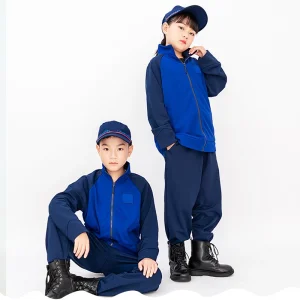
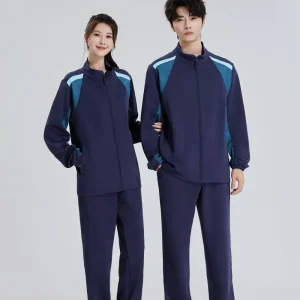
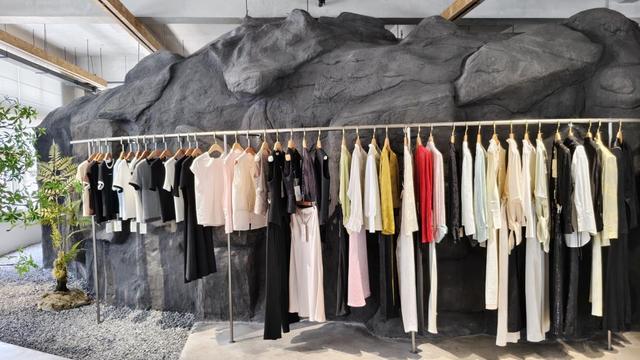
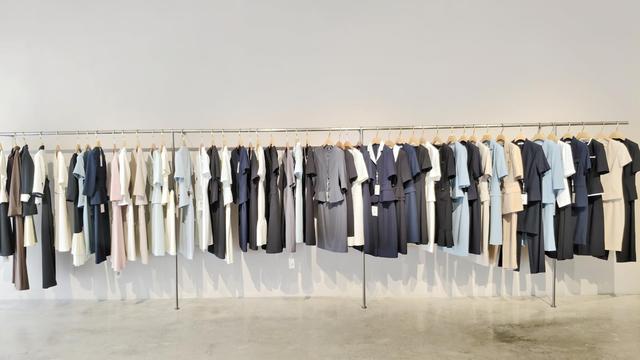
Explore our diverse range of formal wear, active wear, and specialty uniforms designed for global exports.
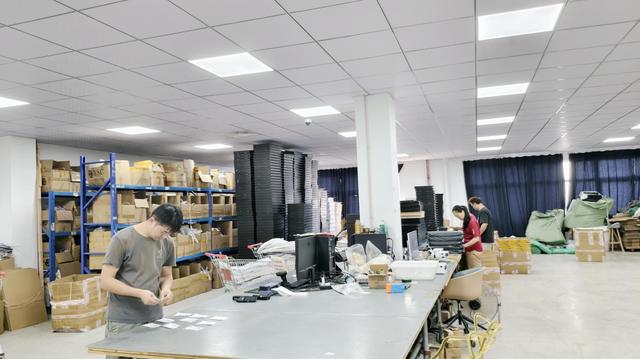
A look at our production capacity, quality inspections, and sewing departments.
Essential details regarding OEM/ODM collaboration, shipping to Japan, and fabric standards.
Get in touch with our technical team in Dongguan today to request samples, discuss fabric configurations, or receive a quick manufacturing quote for the Tokyo market.
Send Inquiry Now Stabiae Clothe