Explore our foundational range of custom manufactured formalwear designed for cross-border retailers and high-end distributors worldwide.
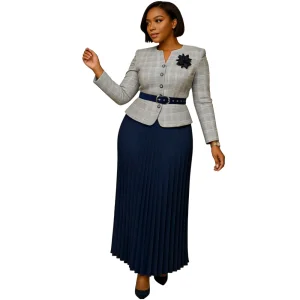
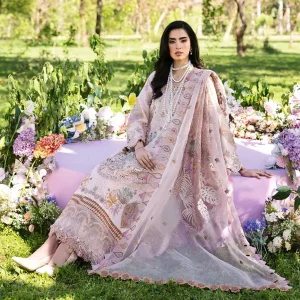
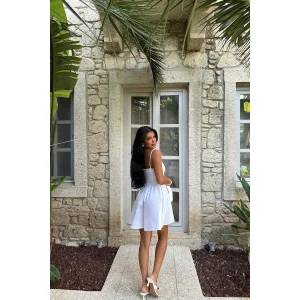
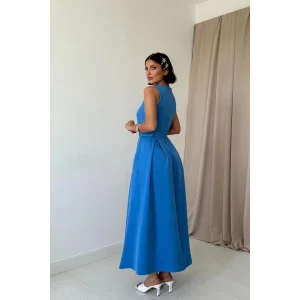
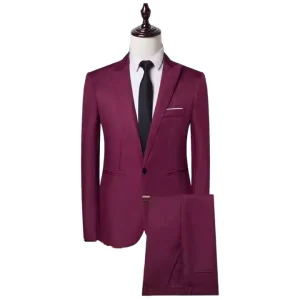
An inside look at sourcing standards, high-density fabrics, and quality parameters critical to international procurement agencies.
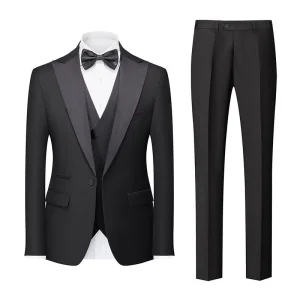
In the landscape of modern corporate sourcing and luxury retail, procurement of Black Tie Attire demands a rigorous evaluation of supply chain integrity, textile engineering capability, and manufacturing precision. Black tie dress codes, traditionally defined by strict parameters of formal wear, require specialized processing methods—specifically in the manipulation of high-gauge silks, worsted wool, satins, and advanced synthetic blends designed for durability, crease resistance, and drape elegance.
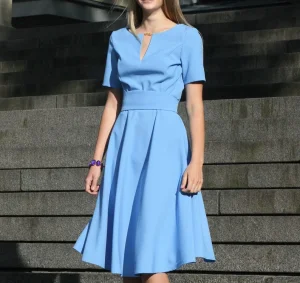
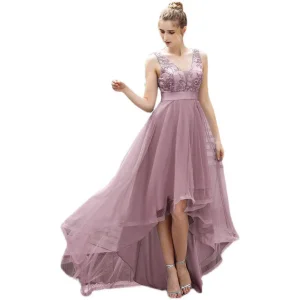
Dongguan Aurelia Glass Co., Ltd. is a professional Women’s Formal Wear manufacturer and a trusted Business & Evening Wear supplier based in Dongguan, China. The company specializes in designing, producing, and exporting elegant formal apparel for global fashion brands, retailers, boutiques, and private label clients.
With strong OEM and ODM manufacturing capabilities, Aurelia Glass Co., Ltd. provides comprehensive solutions including fashion trend analysis, fabric selection, pattern development, sample creation, bulk production, and international logistics. The company focuses on delivering high-quality women’s formal wear that combines elegance, comfort, and modern tailoring techniques.
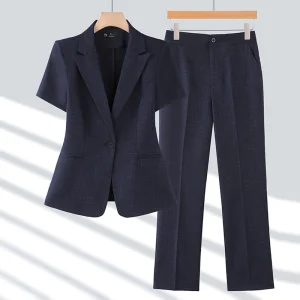
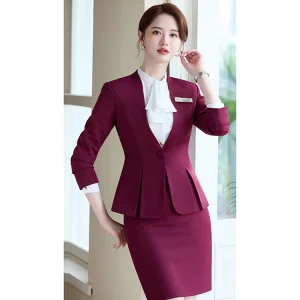
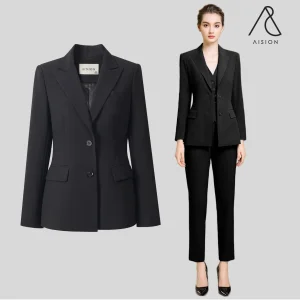
Its product range covers business formal wear, evening gowns, cocktail dresses, office suits, and elegant occasion outfits designed for weddings, corporate events, and upscale social gatherings. Each garment is crafted with attention to detail, refined silhouettes, and premium fabric selection to ensure a sophisticated appearance and comfortable fit.
Dongguan Aurelia Glass Co., Ltd. operates advanced production facilities with strict quality control systems at every stage, from material inspection to final garment finishing. Skilled technicians and experienced designers ensure consistency, durability, and premium craftsmanship in every collection.
The company supports flexible production services, including small-batch customization for emerging brands and large-scale manufacturing for established global buyers. With efficient production management and competitive pricing, Aurelia Glass helps clients shorten product development cycles and enhance market competitiveness.
By combining innovation, craftsmanship, and fashion-forward design, Dongguan Aurelia Glass Co., Ltd. has become a reliable OEM & ODM partner for Women’s Formal Wear, delivering elegant, high-quality, and market-ready apparel solutions to customers worldwide.
Analyze the unique industrial clusters, raw material vertical integration, and technical machinery parameters that define the Chinese advantage.
China's apparel clusters in Dongguan and Guangdong Province possess highly optimized ecosystems. Trim shops, custom button casting facilities, silk weavers, and specialized thread mills reside within a 50-kilometer radius. This layout minimizes raw-material latency and allows dynamic prototyping within days rather than weeks.
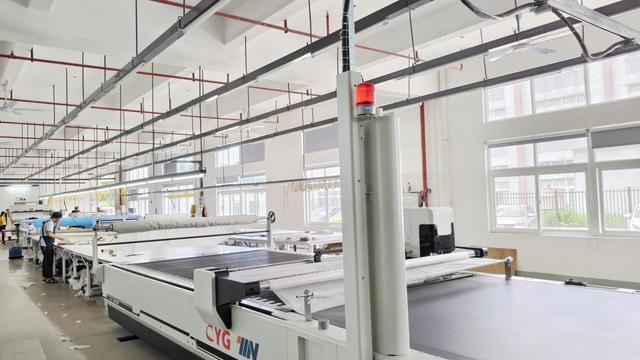
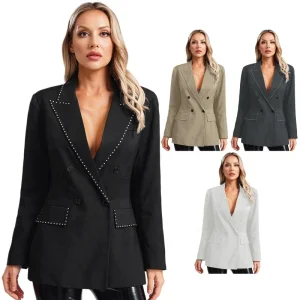
Leading exporters utilize CAD pattern digitizers, automatic laser cutters for pattern matching, and ultrasonic seam welders. These technologies eliminate fabric warping, ensuring that complex bias-cut formal dresses and lined blazers maintain shape stability across continuous bulk production runs.
Modern Chinese exporting operations conform to standard global compliance metrics including BSCI, WRAP, and ISO 9001. Ensuring physical safety and fair labor standards directly translates to reliable delivery timelines and aligns with the ESG initiatives of enterprise buyers.
The global luxury and evening wear sectors are experiencing a tectonic shift toward environmental responsibility. Procurement agents now look for organic cotton, recycled polyester (rPET) linings, and biodegradable viscose. High-end mills are replacing petroleum-derived satins with FSC-certified materials, allowing brands to offer premium products without compromising eco-conscious values.
To reduce design cycles and cargo logistics emissions, forward-looking manufacturers employ 3D apparel simulation systems. Designers create accurate 3D CAD draping mockups that simulate fabric weight, texture, and flexibility. This drastically reduces the physical sampling cycle, lowering costs and accelerating speed-to-market.
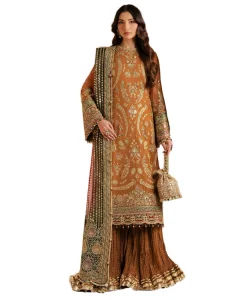
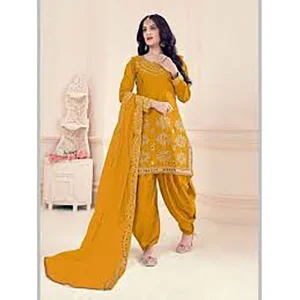
With globalized consumption patterns, black tie attire is adapting to diverse cross-border requirements. Modern catalogs integrate long-sleeve options, higher necklines, and ankle-length silhouettes (such as modest formal gowns and customized salwar kameez variants) that cater to Middle Eastern, South Asian, and selective Western consumer segments concurrently.
Understanding the final usage environment allows buyers to tailor precise specifications to local requirements.
Demands heavy wool-blend tuxedos and structured satin column dresses. High emphasis on color fastness under indoor strobe lighting and deep recovery wrinkle properties for long transit flights.
Requires light, breathable fiber matrices. Linen-silk blends and unlined lightweight formal blazers dominate. Preferred colors skew toward earthy pastels, needing low-impact, metal-free reactive dye compliance.
Focuses on maximalist detailing—including intricate hand-embroidered hems, heavy beadwork, and multilayered tulle linings. Strict specifications for reinforced structural seams to support heavy lace embellishments.
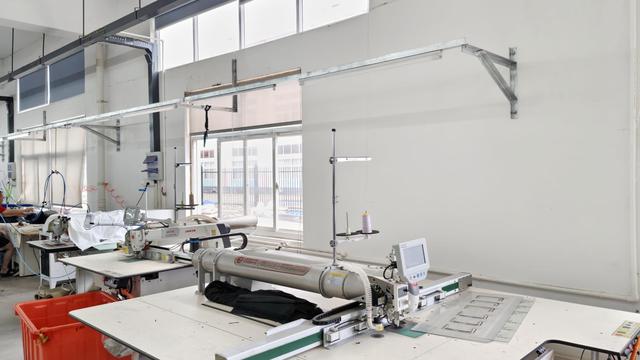
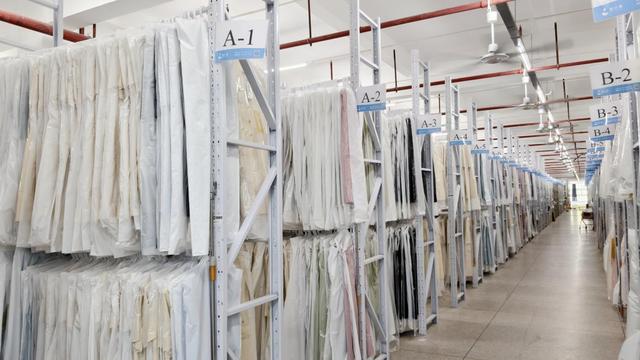
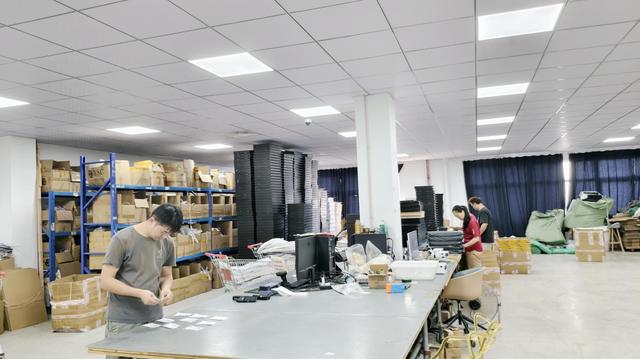
A transparent view of production lines, QC rooms, raw material warehouses, and finished garments ready for global transport.
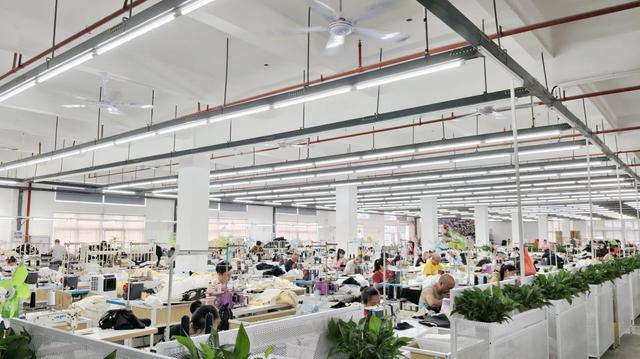
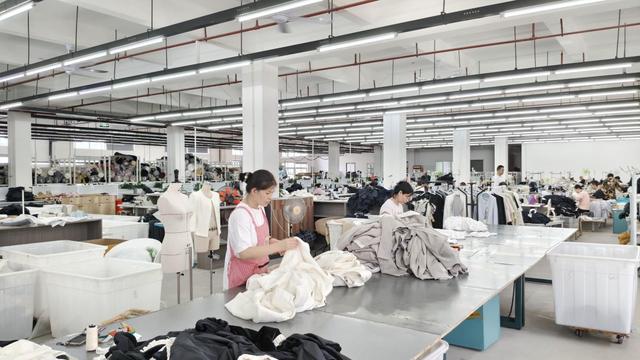
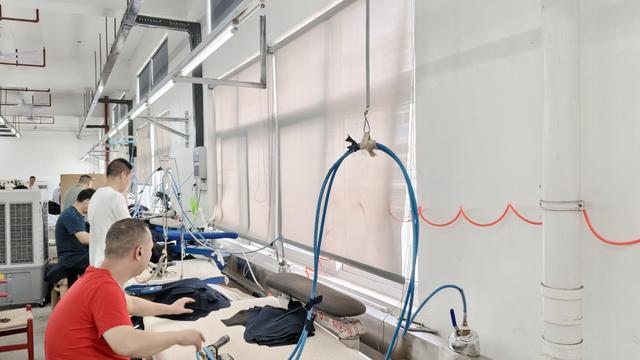
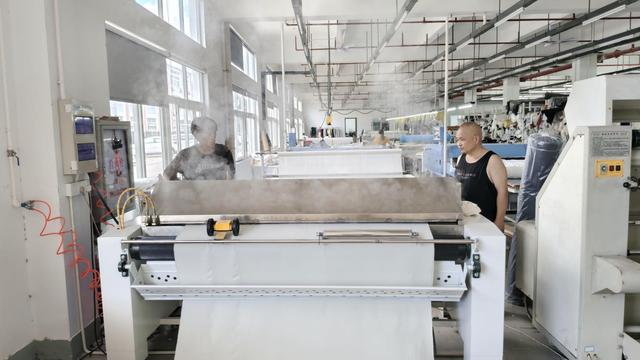
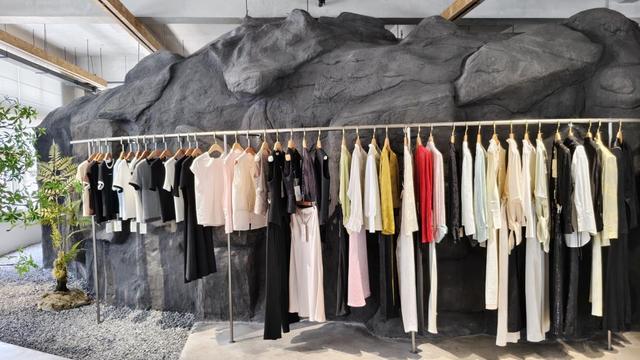
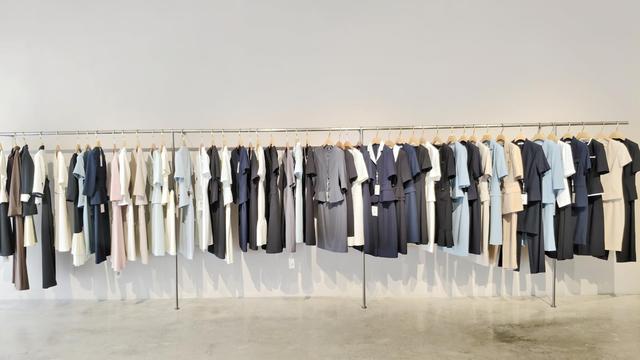
Professional answers to key operational, compliance, and logistics questions commonly asked by enterprise procurement managers.
Complete your catalog with specialized, heavy-duty training wear, tailored single-breasted coats, and bespoke evening wear.
 Stabiae Clothe