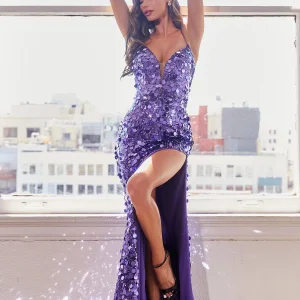
Discover our primary selection of finely tailored, high-grade office wear and evening gowns designed for modern commercial markets.
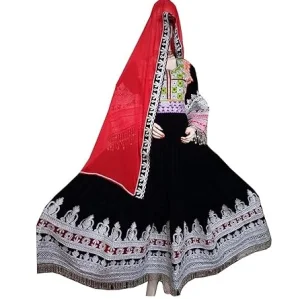
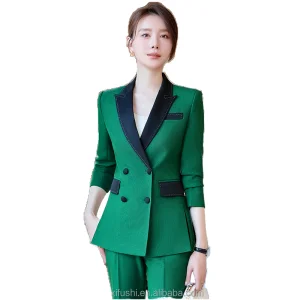
In the contemporary fashion landscape, the global apparel market has undergone a significant paradigm shift from ephemeral fast fashion to "Quiet Luxury" and structurally sound minimalist attire. Global enterprises, high-end private label brands, and corporate retailers are increasingly prioritizing structural complexity, fabric purity, and longevity over high-frequency decorative embellishments. This transformation has placed minimalist attire at the center of B2B garment sourcing strategies worldwide.
Environmental stewardship has transitioned from a corporate option to an absolute regulatory standard. The market is demanding high-density TR fibers, organic cotton blends, and closed-loop modal that maintain crisp minimalist silhouettes without degrading under recurring cleaning cycles.
Traditional sampling workflows are being replaced by high-precision digital simulations. With computerized drafting, designers optimize tension distributions and structural fit before laying a single fabric cutting edge, ensuring close-to-zero fabric waste.
B2B buyers are moving away from cheap transactional units toward long-term partners who mitigate systemic supply-chain disruption risk. Chinese premium factories are capitalizing on vertically integrated logistics hubs to offer predictable landing costs.
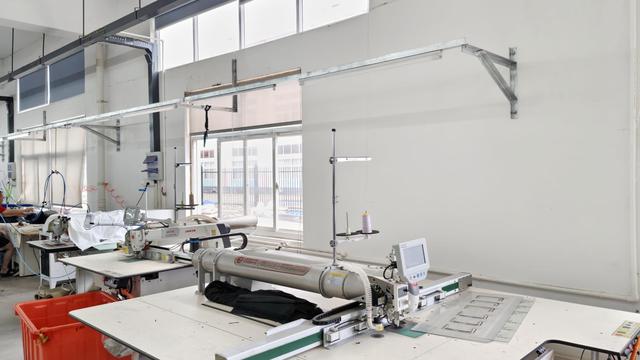
Minimalism, in its modern industrial context, does not indicate simplified construction. Conversely, it demands absolute accuracy. In standard decorated apparel, stitch irregularities or slight pattern misalignments can be obscured by embroidery, decorative pockets, or high-contrast prints. With minimalist garments, there is nowhere to hide. Every seam, collar balance, and buttonhole placement serves as a direct indicator of quality control. Consequently, sourcing executives must collaborate with factories that feature advanced production tech and specialized craftsmanship.
Standardizing the supply chain through measurable QA procedures and high-efficiency operations.
The integration of automated systems and digitized production pathways has positioned Chinese garment plants at the pinnacle of international apparel manufacturing.
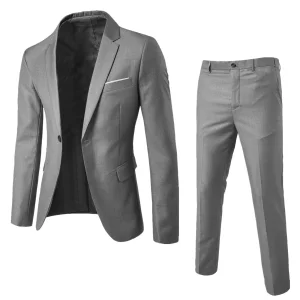
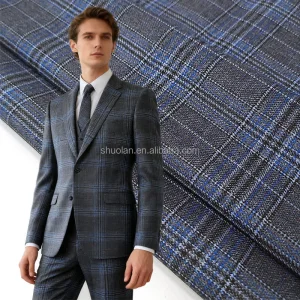
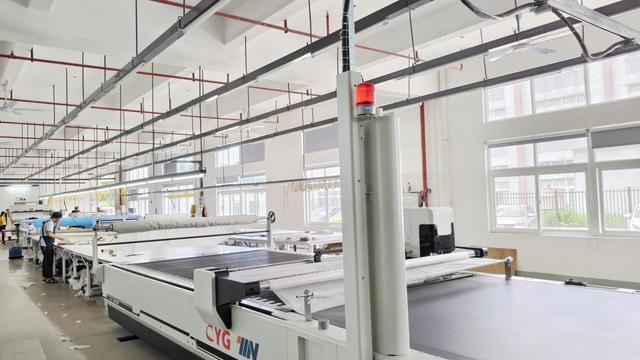
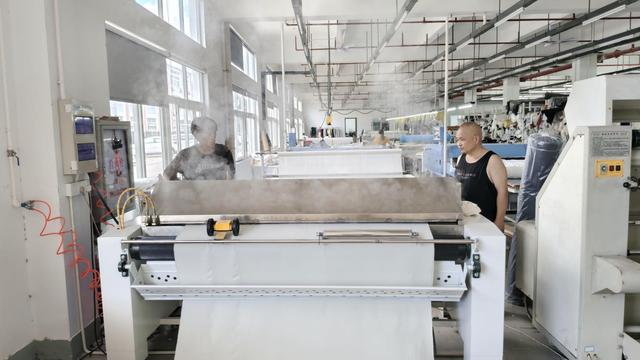
Modern manufacturing centers leverage laser-cutting tables connected to centralized ERP databases. By implementing advanced nesting algorithms, raw fabric usage efficiency is elevated to 94%, significantly minimizing scrap margins compared to manual cutting methods. This automation guarantees that even the most complex tailored suits, such as the Men's Three-piece Business Suit, display exact symmetric alignment along all panels.
Unlike traditional linear production belts, Factory 4.0 centers employ modular production lines. These modules can shift between varying product configurations (e.g., transitioning from structured blazers to relaxed modern linen garments) without requiring complete mechanical retooling. This flexibility addresses the high-mix, low-volume requirements of contemporary online fashion launches.
By positioning operations directly within Southern China's textile clusters, factories maintain tight vertical integration with dye houses, spinneries, and accessory suppliers. This strategic proximity permits Just-In-Time (JIT) delivery of high-end raw materials like long-staple cotton and structured TR fabrics, eliminating storage overheads and reducing final production cycles by up to 25%.
Analyzing procurement strategies based on diverse corporate structures, regional requirements, and market demographics.
Niche fashion labels require high-frequency design changes and custom sizing matrices. The key constraint is minimizing initial capital commitment while maintaining clean silhouettes, high-end zippers (YKK), and organic linen linings. Factories with flexible ODM capabilities allow these brands to order small-batch, curated capsule collections.
Large-scale global buyers demand absolute consistency across multi-thousand unit shipments, optimized ocean logistics container packing, and strict compliance with global certifications (BSCI, Wrap, Sedex). The focus is on automated high-speed sewing, scale-related discount margins, and structured logistics.
Enterprises sourcing uniform collections for hotel staff, airline personnel, or sales agencies require long-term fabric consistency. They mandate wrinkle-resistant finishes, stretch properties, and uniform color matching across seasons.
Dongguan Aurelia Glass Co., Ltd. is a professional Women’s Formal Wear manufacturer and a trusted Business & Evening Wear supplier based in Dongguan, China. The company specializes in designing, producing, and exporting elegant formal apparel for global fashion brands, retailers, boutiques, and private label clients.
With strong OEM and ODM manufacturing capabilities, Aurelia Glass Co., Ltd. provides comprehensive solutions including fashion trend analysis, fabric selection, pattern development, sample creation, bulk production, and international logistics. The company focuses on delivering high-quality women’s formal wear that combines elegance, comfort, and modern tailoring techniques.
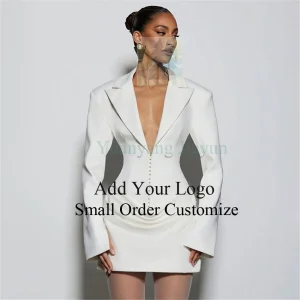
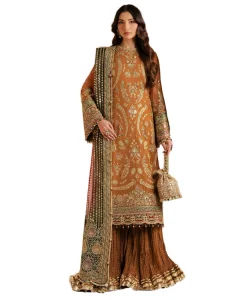
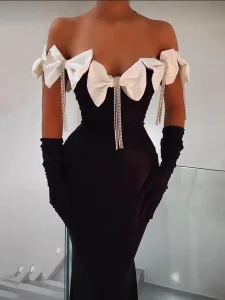
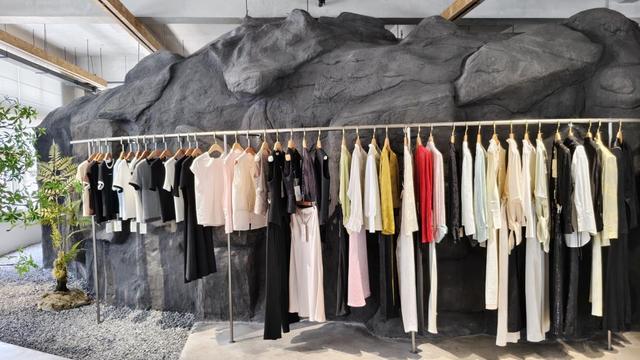
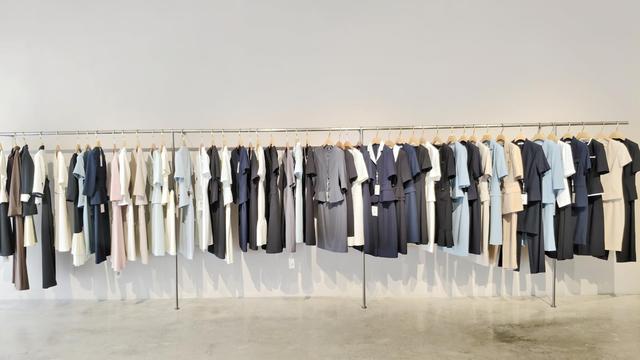
Its product range covers business formal wear, evening gowns, cocktail dresses, office suits, and elegant occasion outfits designed for weddings, corporate events, and upscale social gatherings. Each garment is crafted with attention to detail, refined silhouettes, and premium fabric selection to ensure a sophisticated appearance and comfortable fit.
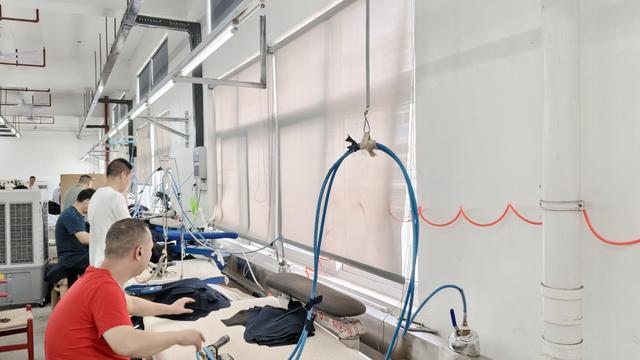
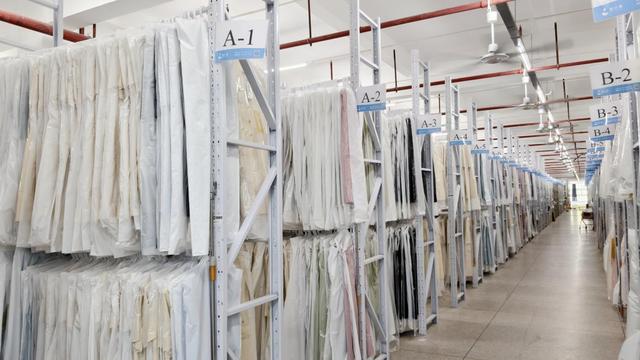
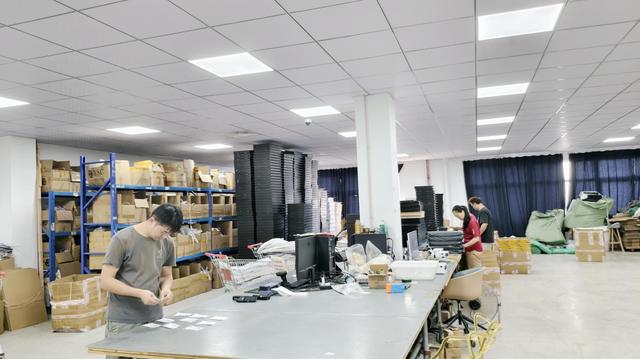
Dongguan Aurelia Glass Co., Ltd. operates advanced production facilities with strict quality control systems at every stage, from material inspection to final garment finishing. Skilled technicians and experienced designers ensure consistency, durability, and premium craftsmanship in every collection.
The company supports flexible production services, including small-batch customization for emerging brands and large-scale manufacturing for established global buyers. With efficient production management and competitive pricing, Aurelia Glass helps clients shorten product development cycles and enhance market competitiveness.
By combining innovation, craftsmanship, and fashion-forward design, Dongguan Aurelia Glass Co., Ltd. has become a reliable OEM & ODM partner for Women’s Formal Wear, delivering elegant, high-quality, and market-ready apparel solutions to customers worldwide.
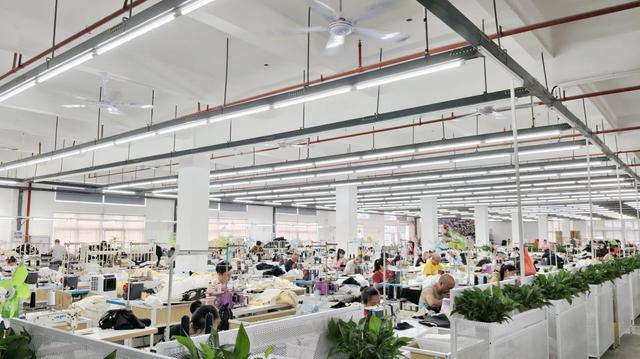
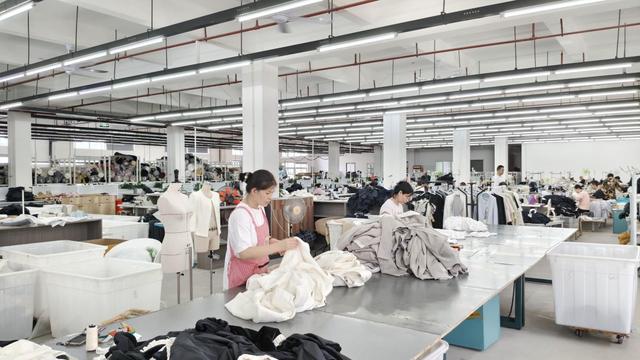
Designing functional formal apparel tailored to the regional and environmental constraints of diverse international markets.
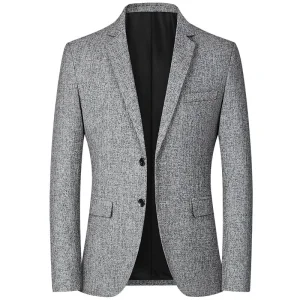
High-speed urban lifestyles necessitate transition-ready formal wear. Professionals demand suits that move seamlessly from the corporate boardroom to evening events. The design emphasis centers on wrinkle-resistant, wool-synthetic blended suits that offer comfort during long commutes.
The Northern European market requires loose-fitting, eco-certified materials. Designs favor earth tones, dropped shoulders, and single-breasted coats with concealed closures. The manufacturing focus targets certified organic fibers and zero chemical post-processing.
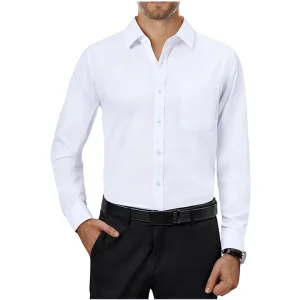
Warm regional climates dictate the use of breathable fabrics. Buyers look for unlined blazers, tailored linen trousers, and lightweight cotton-modal shirts. To maintain structured shapes under humid conditions without excessive layering, manufacturers utilize ultra-light fused interlinings.
Expert insights addressing lead times, raw materials, manufacturing standards, and customized apparel sourcing.
For structured formal garments, we recommend custom TR (Terylene/Rayon) blends, high-density combed wool, or heavy-weight double-knit jersey. These fabrics deliver structured shapes, resist wrinkling, and maintain crisp creasing over extended use, which is essential for minimalist apparel.
We implement a strict four-stage quality assurance protocol: raw material arrival checks, inline production stitch inspection, end-of-line needle detection, and final pre-packing visual audits based on AQL 1.5 standards. This process minimizes fabric waste and prevents post-shipment defects.
Yes. We support flexible procurement models, including small-batch sample customization for emerging brands and high-volume manufacturing runs for established global buyers. This structure allows brands to test market demand before committing to bulk raw material sourcing.
Sample drafting and prototype finalization typically take 7 to 14 days. Once patterns are approved, bulk production is finalized within 30 to 45 days, depending on fabric availability and current manufacturing capacity.
Our production pathways support GRS (Global Recycled Standard) and OEKO-TEX Standard 100 certifications. We offer sustainable fabric options, including organic cotton, recycled polyester, and non-toxic dyes, matching global ESG standards.
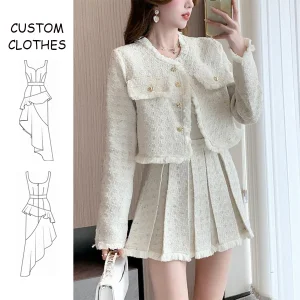
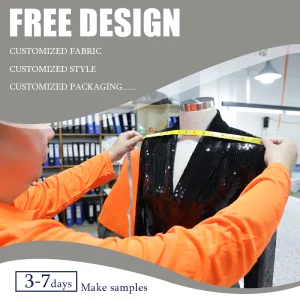
We operate as a full-service supplier offering both OEM (Original Equipment Manufacturer) and ODM (Original Design Manufacturer) services. Our design team can develop patterns from reference sketches, create 3D virtual fittings, or manufacture directly from client-provided tech packs.
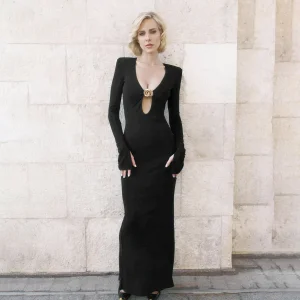
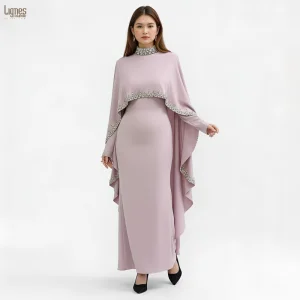
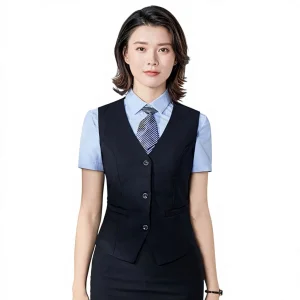
Discover additional design variations, from elegant evening gowns to seasonal structured office wear collections.

 Stabiae Clothe