How to Style Formal Outfits for Evening Parties?

Time:2026-09-30 Author:Aria
0%

An evening invitation can make a wardrobe feel suddenly inadequate. The right formal outfit, however, is less about wearing the most expensive piece and more about matching the occasion, fit, and setting. A black-tie hotel ballroom calls for different choices than a candlelit restaurant or a rooftop reception. Small details matter: a jacket that sits cleanly at the shoulders, shoes suited to the venue, and fabric that looks polished under warm lighting.

Industry reports offer useful context, though they cannot dictate personal style. McKinsey and The Business of Fashion’s State of Fashion 2025 describes consumers as increasingly value-conscious, making thoughtful wardrobe choices especially relevant. Meanwhile, the U.S. Bureau of Labor Statistics’ Consumer Expenditure Survey tracks household spending on apparel, a reminder that clothing competes with many everyday priorities. These sources do not prescribe evening-party dress codes. They do support a practical question: how can one outfit feel appropriate, comfortable, and worth wearing again?

This guide explores how to style formal outfits for evening parties with those aims in mind. It covers dress codes, silhouettes, color, accessories, and finishing touches, with attention to real-world comfort. A sleek black dress or tailored suit can be a strong starting point. Not always, though. Personal taste, venue rules, weather, and movement may change the best choice. The advice is a framework, not a rigid formula.
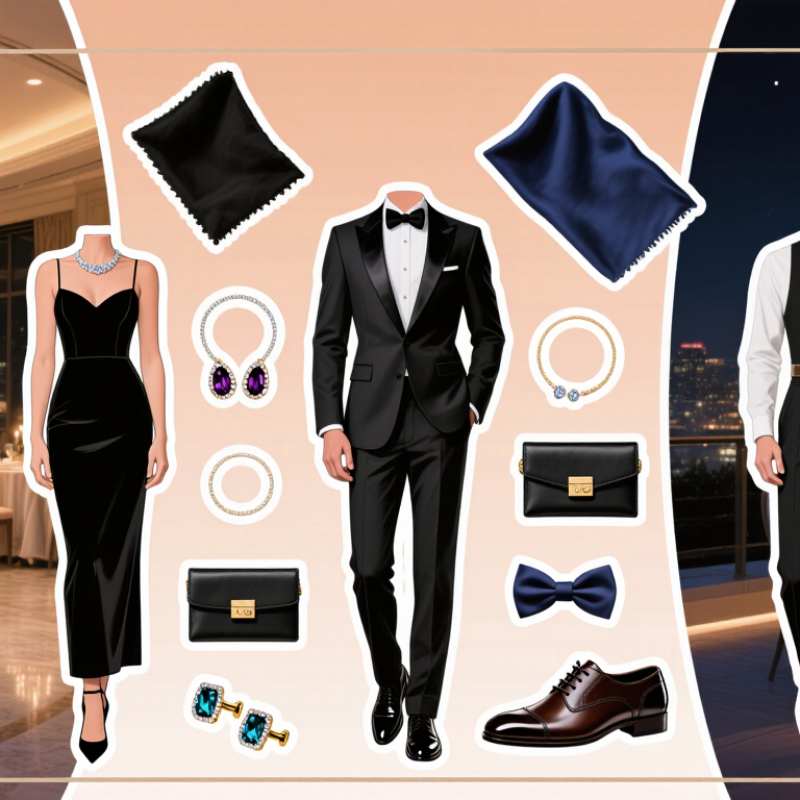
How to Style Formal Outfits for Evening Parties?

Understanding Evening Party Dress Codes and Formality Levels

Evening party dress codes can range from cocktail to black tie, and the invitation usually offers the clearest guide. “Formal” does not always mean a floor-length gown or a tuxedo. Consider the venue, event timing, and wording before choosing an outfit. A hotel ballroom may call for polished eveningwear, while a formal dinner at home can feel more understated. When the dress code is unclear, ask the host rather than guessing. It is a small step, but it can prevent an uncomfortable mismatch.

For cocktail attire, a tailored suit or a knee-length dress often works well. Formal events generally call for sharper fabrics, clean lines, and carefully chosen shoes. Black tie is more specific: a dark dinner jacket or an elegant full-length evening dress is typically appropriate. Details matter. Check that hems allow you to walk comfortably, and test your shoes on stairs before the event. I once underestimated that part. The outfit looked fine; the stairs disagreed.

Tips: Read the invitation closely, then check the venue’s setting. Choose one refined accessory, such as small earrings or a simple pocket square, instead of piling on details. Keep a light wrap nearby for cool rooms. If you remain unsure, dress slightly more polished while keeping comfort in mind. A formal look should feel intentional, not like a costume.

How to Style Formal Outfits for Evening Parties

A guide to common evening party dress codes and their relative formality.

Formality scores are an illustrative guide, not an official standard. Black tie and white tie call for the most formal attire; cocktail and smart casual allow progressively more flexibility. Follow the invitation if it gives specific instructions.

Choosing a Formal Outfit That Fits the Venue and Occasion

How to Style Formal Outfits for Evening Parties?

Choosing a Formal Outfit That Fits the Venue and Occasion

The room should guide your outfit as much as the invitation does. A hotel ballroom usually suits a floor-length dress or a well-tailored suit, while a restaurant with small tables may call for a less sweeping silhouette. Check the invitation for a dress code, then consider the event’s tone and start time. When details are unclear, ask the host rather than guessing.

Fabric matters under evening lights. Satin and velvet can look rich, but heavy layers may feel uncomfortable in a warm, crowded room. For an outdoor party, bring a neat wrap or jacket; temperatures often drop after sunset. A fitted outfit should still let you sit, walk, and raise a glass without adjusting it every few minutes. Test those movements at home.

Keep accessories in proportion to the setting. A simple clutch and restrained jewelry can complement formal clothes without competing with them. At a lively venue, secure shoes are more useful than very high heels you cannot comfortably wear. I have found that small details, like checking a hem near the shoes you plan to wear, prevent awkward surprises. Dress codes can be vague, and even careful choices may feel slightly off. Comfort is a useful guide.

Coordinating Colors, Fabrics, and Silhouettes for Evening Wear

For an evening party, consider the lighting before choosing your colors. Warm candlelight softens cream, burgundy, and bronze, while cooler venues can make jewel tones look crisp. Deep navy, forest green, and plum feel formal without relying on black. Pair one rich color with a quieter neutral, such as a plum dress and muted metallic shoes. Less can feel richer.

Fabric changes the mood as much as color does. Velvet adds depth in cooler weather, while silk or a fluid crepe moves easily under bright lights. If your outfit has a glossy finish, keep accessories matte so the look does not feel crowded. Test the fabric under indoor lighting; a shade that looks subtle near a window may shine more strongly at night. I have misjudged that before.

Let the silhouette suit both the event and your comfort. A defined waist can balance a flowing skirt, while a clean, straight cut pairs well with a soft draped jacket. Check the hem when standing and sitting, especially if the outfit is long. A little movement matters. Walk a few steps in your shoes and notice whether the fabric catches, pulls, or needs adjusting.

How to Style Formal Outfits for Evening Parties? — Coordinating Colors, Fabrics, and Silhouettes for Evening Wear
Outfit Direction Color Coordination Suitable Fabrics Silhouette Styling Notes
Classic black evening look Black with silver, soft gold, or a single jewel-tone accent Crepe, satin, velvet, or chiffon Column dress, tailored suit, or a fitted top with wide-leg trousers Use one reflective accessory for contrast. Keep the overall look balanced by pairing a detailed neckline with simpler jewelry.
Jewel-tone statement Emerald, sapphire, or burgundy with understated metallic accessories Silk, satin, velvet, or structured crepe Wrap dress, A-line gown, or a sharply tailored suit Let the saturated color lead. Choose shoes and a bag in a neutral or complementary metallic shade rather than adding several competing colors.
Soft neutral palette Champagne, taupe, ivory, or slate with tonal or muted metallic details Silk, chiffon, fine crepe, or lightweight satin Fluid slip dress, softly draped gown, or relaxed tailored separates Vary texture to keep a tonal outfit from looking flat. Check that light-colored fabrics are opaque enough for the event lighting.
Modern tailored formalwear Navy, charcoal, or black with a crisp white or subtle color accent Wool suiting, barathea, crepe, or a silk-blend fabric Single-breasted suit, tuxedo-inspired jacket, or high-waisted trousers Prioritize a clean fit at the shoulders and hem. A satin or grosgrain lapel adds evening polish without requiring a bold color palette.
Romantic evening style Dusty rose, deep plum, or muted blue with silver or soft gold Lace, tulle, chiffon, or embroidered organza Fit-and-flare dress, softly gathered gown, or a flowing skirt with a fitted top Balance sheer or embellished details with a simple shape elsewhere. Choose a lining that provides comfortable, appropriate coverage.
Minimalist formal look Two coordinated neutrals, such as black and ivory or navy and silver Matte crepe, satin-backed fabric, or smooth suiting Clean column, sheath, or straight-leg tailored separates Focus on precise fit and fabric quality. A sculptural accessory or polished shoe can add interest while preserving a streamlined effect.

Selecting Shoes, Accessories, and Grooming Details

For evening parties, let shoes set the tone without stealing your attention.

Choose polished leather or satin shoes with a stable heel, then walk in them at home before the event. A blister can undo a careful outfit.

Circana reported that U.S. prestige beauty sales rose 14% in 2023, with fragrance sales up 12%.
This market data is not a grooming rule, but it shows how much attention consumers give to finishing details. Keep fragrance light and apply it well before arrival; crowded rooms can make strong scents feel heavier.

Accessories look most intentional when they echo one detail in your outfit, such as a metal button or a warm color.

Try one focal piece: a slim watch, small earrings, or a folded pocket square. Too many shiny details compete under evening lights.

The 2024 McKinsey State of Fashion report describes consumers as increasingly value-conscious, a useful reminder to prioritize fit and versatility over a one-night purchase.

Check hems, clean shoe edges, and smooth collars in natural light. One small flaw? A slightly imperfect fold often looks more relaxed than a stiff, overworked finish.

Checking Fit, Comfort, and Final Outfit Balance Before Leaving

Before leaving, test the outfit as you will wear it all evening. Sit, stand, reach for a glass, and walk up a flight of stairs. A jacket that looks sharp in a mirror may pull across the shoulders when you move. Check that the trouser hem clears your shoes and that a skirt stays in place when seated. Cotton Incorporated’s 2023 Lifestyle Monitor survey found that comfort is a leading consideration in clothing choices. Treat that as practical guidance: elegance is difficult to sustain when a waistband pinches or a collar rubs.

Look closely at the whole silhouette under the lighting you expect at the venue. Warm indoor light can make dark fabrics appear flatter, while flash photography may reveal lint, creases, or sheer areas. Use a full-length mirror, then take one phone photo from several steps away. Small test. Check whether the tie, jewelry, or pocket detail competes with the outfit’s main lines. Keep a lint roller and a few safety pins nearby, but don’t rely on them to fix a poor fit. I still sometimes choose shoes for appearance and regret it halfway through the evening; a short walk around the room is a better final test than another glance in the mirror.

FAQS

How should I choose a formal outfit for the venue?

Let the room guide your choice. A ballroom may suit a floor-length dress or tailored suit. Smaller restaurant tables need less sweeping shapes.

What should I do when the dress code feels unclear?

Check the invitation carefully. Consider the event’s tone and starting time. If details remain vague, ask the host.

Which fabrics work well for evening parties?

Velvet adds depth in cool weather. Silk and fluid crepe move easily. Satin looks rich, but may feel warm indoors.

How can lighting affect my color choice?

Warm candlelight softens cream, burgundy, and bronze. Cooler rooms sharpen jewel tones. Deep navy, forest green, and plum look formal.

How should I balance colors, fabrics, and accessories?

Pair one rich color with a quiet neutral. Matte accessories suit glossy fabric. Simple jewelry prevents the outfit from feeling crowded.

How can I check whether the outfit fits properly?

Sit, stand, walk, and reach for a glass. Raise your arms too. Tight shoulders or a pinching waistband need attention.

What should I check before wearing long skirts or trousers?

Inspect the hem with your chosen shoes. Walk several steps. Make sure the fabric does not catch or pull.

How can I stay comfortable throughout the evening?

Choose secure shoes over painful high heels. Bring a neat wrap for outdoor events. Temperatures often drop after sunset.

How can I test the complete look before leaving?

Use a full-length mirror under similar lighting. Take a phone photo from several steps away. Check lint, creases, and sheer areas.

What mistakes should I avoid when finalizing a formal outfit?

Do not rely on safety pins to repair poor fit. I sometimes choose appearance over comfort and regret it later. Test everything honestly.

Conclusion

Learn how to style formal outfits for evening parties by first understanding the event’s dress code and level of formality. Consider the venue and occasion when choosing a suit, dress, or other polished ensemble, ensuring the look feels appropriate without being overly elaborate. Coordinate colors, fabrics, and silhouettes to create a cohesive appearance that suits the season and setting. Richer shades and refined textures can add evening appeal, while balanced proportions help the outfit feel elegant and comfortable.

Complete the look with suitable shoes and thoughtfully chosen accessories, keeping each detail in harmony with the outfit rather than letting one element dominate. Grooming should feel neat and occasion-ready. Before leaving, check that garments fit well, allow comfortable movement, and sit properly when standing or seated. A final review of the outfit’s color balance, proportions, and overall formality helps ensure you feel confident throughout the evening.

Aria

Aria

Aria is a dedicated marketing professional with a deep passion for innovative strategies and a keen understanding of our company's product offerings. With a wealth of experience in the industry, Aria excels at crafting engaging content that highlights the unique features and benefits of our......