Why Do Some Formal Outfits Look Outdated in 2026?

Time:2026-09-05 Author:Madeline
0%

In 2026, the fashion landscape has evolved dramatically. It begs the question: why do some formal outfits look outdated? Renowned fashion expert Dr. Emily Carter emphasizes, “Fashion is a reflection of our changing culture.” This statement resonates deeply as styles quickly shift with societal trends.

Many formal outfits that once symbolized sophistication now appear stale. The rise of comfortable yet chic attire has forced classic pieces to the sidelines. Innovations in sustainable fabrics and designs have redefined what elegance means today. Traditional suits and dresses sometimes feel disconnected from younger generations.

It is essential to reflect on the past while embracing change. What once was stylish may not suit modern tastes. People should consider how much they value tradition versus contemporary appeal. As Dr. Carter suggests, we must assess our choices carefully to avoid falling into the trap of outdated fashion. The dialogue between past and present will shape the future of formal wear.
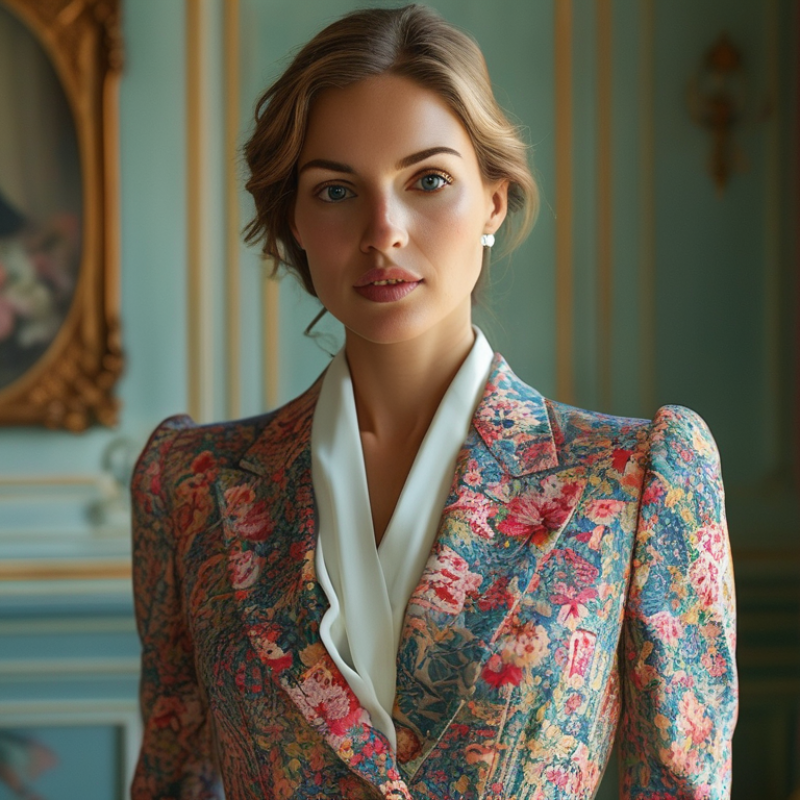
Why Do Some Formal Outfits Look Outdated in 2026?

Factors Influencing Fashion Trends in 2026

In 2026, fashion trends are shifting rapidly, making some formal outfits look outdated. Several factors contribute to this evolution. One significant aspect is the increasing demand for sustainability. Consumers prefer eco-friendly materials and ethical production methods. According to a recent industry report, 72% of millennials prioritize sustainability when choosing clothing. This trend pressures brands to adapt quickly.

Another influencing factor is technological advancements. Virtual reality (VR) and augmented reality (AR) have transformed how fashion is showcased. The use of digital runway shows and online fitting applications means designers must stay relevant to maintain consumer interest. Studies show that 56% of younger buyers are influenced by digital fashion experiences. This can make traditional presentation methods seem stale.

Tips for staying current include exploring new fabric technologies. Look for materials made from recycled sources. Engaging in community discussions can provide insights into evolving tastes. Lastly, invest in versatile pieces that blend timeless and modern aesthetics. This approach can keep your wardrobe fresh and relevant amidst changing trends.

Factors Influencing Fashion Trends in 2026

Evolution of Formal Wear: A Historical Perspective

The evolution of formal wear reflects societal changes and cultural shifts. From the elaborate gowns of the Victorian era to modern minimalist designs, formal attire has continuously adapted. A report by the Global Fashion Agenda suggests that nearly 70% of consumers now prefer sustainable materials in formal outfits. This shift indicates a desire for relevance and contemporary values in clothing choices.

Fashion cycles often revisit past trends, which can render certain formal outfits outdated. In 2026, many classic styles may clash with the growing emphasis on functionality. A study from McKinsey & Company highlights that 65% of millennials seek comfort alongside style. This preference can lead to traditional outfits looking stale or impractical.

Thinking ahead can help maintain a timeless wardrobe. Choose versatile pieces that adapt to various occasions. Opt for neutral colors that can be easily accessorized. Always consider the latest materials and cuts to stay in sync with current trends. Lastly, be open to modifying old pieces to give them new life. Embracing change while honoring aesthetics can bridge the gap between past and future in formal wear.

Key Characteristics of Outdated Formal Outfits

In 2026, certain formal outfits can feel outdated. One key characteristic is the use of outdated fabrics. Heavy materials like wool and polyester can make an outfit look tired. This year favors lighter fabrics that breathe and move with the body. A structured suit made of canvas or linen feels fresher and more modern.

Another aspect relates to color choices. Dull and muted shades often fall out of favor. Bright and vibrant colors are taking the spotlight. Instead of classic black, try deep emerald or rich royal blue. Patterns also play a significant role—outdated styles often feature boring stripes or checks. Instead, eye-catching prints that reflect personality are now preferred.

Finally, the fit of these outfits is crucial. Loosely fitted garments can appear sloppy. Tailored fits that accentuate the shape provide a polished look. Accessories should complement the outfit without overwhelming it. Simple but striking elements, such as a unique watch or a statement belt, can elevate the overall impression. These details make the difference between modern elegance and outdated monotony.

Why Do Some Formal Outfits Look Outdated in 2026? - Key Characteristics of Outdated Formal Outfits

Characteristic Description Example
Outdated Silhouettes Styles that do not reflect current body shape trends or favor overly structured designs. Boxy blazers or A-line skirts that are no longer in favor.
Color Palette Use of colors that are typically associated with outdated fashion trends, such as muddy tones or overly bright hues. Colors like olive green or neon shades for formal wear.
Fabric Choices Materials that do not maintain current standards for formal attire, such as polyester blends. Stiff polyester or shiny fabrics that show wear easily.
Excessive Embellishments Outfits that feature too many decorative elements such as sequins or ruffles, which can appear gaudy. Overly beaded dresses or suits with excessive ruffles.
Fit and Proportion Outfits that do not fit well or are proportioned poorly for modern standards. Ill-fitted suits that are too long or short in the sleeves or pants.

The Impact of Cultural Shifts on Fashion Perception

Fashion is highly sensitive to cultural shifts. As we move through 2026, many formal outfits seem outdated. This can be traced to changing social values and the rise of casualization in work environments. A recent report by the Fashion Institute of Technology noted that 70% of professionals now prefer smart-casual attire over traditional formal wear. This transformation reflects a shift in workplace culture, prioritizing comfort and self-expression.

The rise of digital platform influencers has also influenced fashion choices. Consumers look for relatability, seeking styles that reflect their true selves. A study revealed that 80% of younger audiences want their fashion to convey their identity, signalling a departure from conventional norms. The growing emphasis on individuality contributes to formal outfits feeling stale or out of touch.

Moreover, sustainability concerns are driving a shift towards more timeless pieces. The Sustainable Fashion Coalition reported that over half of consumers factor eco-friendliness into their purchasing decisions. This creates a clash for formal attire, traditionally based on trends and fleeting styles. As culture continues to evolve, the perception of what constitutes a formal outfit will likely remain in flux.

How Technology Shapes Modern Formal Wear Styles

In 2026, formal outfits can sometimes appear outdated due to the rapid changes in technology and societal norms. Advancements in fabric technology have introduced materials that are lighter, more breathable, and tailored for comfort. People crave flexibility in their clothing, especially in formal settings. Traditional suits may fail to meet these modern demands.

Digital fashion is becoming a significant player in this evolution. Virtual try-ons and customizable designs allow individuals to express their unique styles. Many opt for bespoke options that reflect personal branding rather than standardized, traditional looks. This shift is reshaping expectations; formal wear is no longer about strict adherence to norms but about creativity and self-expression. With augmented reality and artificial intelligence, designing a suit becomes a collaborative process, yet it raises questions about authenticity and craftsmanship.

Additionally, sustainability plays a crucial role in modern formal wear. Eco-friendly fabrics and ethical production methods are pushing brands to rethink their designs. Outdated styles may stem from a lack of awareness about these innovations. As more people prioritize sustainability, last decade’s formal outfits may feel misaligned with today’s values. The challenge lies in adapting rapidly while honoring traditions.

FAQS

: What are key characteristics of outdated formal outfits in 2026?

: Outdated outfits often feature heavy fabrics, dull colors, boring patterns, and sloppy fits.

How does comfort influence modern formal wear?

Many millennials prioritize comfort alongside style, making traditional suits feel impractical.

What materials are preferred for modern formal wear?

Lighter, breathable fabrics like linen and canvas are favored over heavy wool and polyester.

What color choices are trending in formal outfits?

Bright and vibrant colors, like deep emerald and royal blue, are now preferred over classic black.

How can old formal pieces be revitalized?

Modifying old pieces and accessorizing creatively can give them new life.

What role does technology play in formal wear today?

Technology enables customizable designs and virtual try-ons, encouraging personal expression in formal attire.

Why is sustainability important in modern formal wear?

Eco-friendly fabrics and ethical production are essential, aligning clothing choices with contemporary values.

How can one's wardrobe remain timeless?

Choose versatile pieces, neutral colors, and stay updated on the latest trends to maintain style relevance.

What is a common issue with traditional formal outfits today?

They may fail to meet demands for flexibility, leading to a gap in modern attire expectations.

How do accessories impact formal outfits?

Simple yet striking accessories can complement outfits and elevate their overall appearance significantly.

Conclusion

In the exploration of why do some formal outfits look outdated in 2026, several key factors emerge that shape fashion trends. The evolution of formal wear has historically been influenced by societal norms and technological advancements. As styles develop, certain characteristics, such as outdated silhouettes or impractical designs, contribute to a garment's decline in relevance.

Moreover, cultural shifts significantly impact how fashion is perceived, with contemporary values favoring comfort and sustainability over traditional aesthetics. Technology also plays a pivotal role in redefining modern formal wear, pushing the boundaries of fabric innovation and design practices. Collectively, these elements illustrate the dynamic nature of fashion and highlight the importance of adaptability in maintaining a contemporary look.

Madeline

Madeline

Madeline is a dedicated marketing professional with a wealth of expertise in our company's core offerings. With a keen understanding of the industry, she brings a unique perspective to her role, consistently delivering high-quality content that highlights the superior aspects of our products. As......