Formal outfits are often associated with elegance and professionalism. However, they can sometimes bring discomfort. Why do formal outfits feel uncomfortable sometimes? This question requires a closer examination of the psychological and physical aspects of formal attire.
Many people experience restrictions in movement while wearing tailored clothing. Fabrics such as wool and polyester may not breathe well. This lack of ventilation can lead to increased sweating and irritation. Additionally, formal shoes, often designed for aesthetics over comfort, can cause foot pain. The pressure to maintain a certain posture during formal events can contribute to overall discomfort.
Moreover, the expectations tied to formal attire can add a layer of stress. Individuals may feel self-conscious about their outfit and how it is perceived. This mental weight can manifest physically, resulting in fidgeting or an uneasy demeanor. Thus, understanding why formal outfits feel uncomfortable sometimes involves recognizing both the physical limitations of the clothing and the psychological pressures they create.
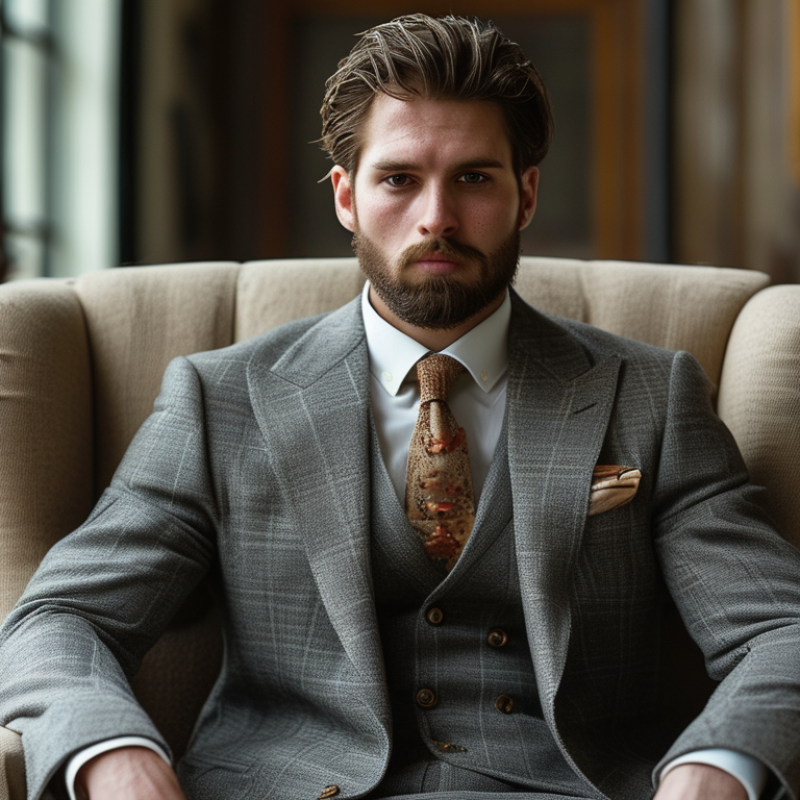
Understanding the Psychological Impact of Formal Attire on Comfort Levels
The psychological impact of formal attire can often overshadow its aesthetic appeal. Studies show that wearing formal clothing can create a sense of pressure. A report from the Journal of Experimental Social Psychology indicates that formal wear impacts our psychological state. Those dressed formally may feel less at ease due to the expectations tied to their attire. The constant awareness of how they are perceived can lead to anxiety and discomfort.
Comfort in formal outfits is not just about physical fit. It also involves mental well-being. The mere act of donning a suit or a tailored dress can trigger stress for many. A survey by the Fashion Institute of Technology reveals that over 70% of individuals report discomfort associated with formal clothing, often linked to societal expectations. Fitting into workplace culture can be daunting when the attire feels restrictive.
Tips for Comfort:
- Wear fabrics that allow for movement.
- Natural materials like cotton and wool can help.
- Avoid overly tight garments.
- Tailoring can enhance fit and confidence.
- Lastly, prioritize your comfort.
Remember, no outfit is worth the cost of your ease.
The Role of Fabric Choices in the Comfort of Formal Clothing
When it comes to formal outfits, fabric choice plays a crucial role in comfort. Many individuals experience discomfort, often due to the nature of the materials used. A report from the Fashion Institute of Technology highlights that over 70% of people feel restricted in traditional formal wear. Fabrics like polyester and stiff cotton can lead to irritation and restrict movement.
Heavy wool suits are especially notorious for causing discomfort. They can trap heat, making wearers feel warm and uneasy. In contrast, lighter materials like linen or blends with spandex can create a more comfortable fit. A breathable fabric allows better airflow, reducing the chance of overheating during long events.
Tip: Choose fabrics labeled as breathable or moisture-wicking for increased comfort. Look for those with some stretch to ensure ease of movement.
Moreover, different body types respond differently to various fabrics. A well-fitted outfit in a less restrictive fabric can enhance the overall wearing experience. However, many still prefer the aesthetics of rigid structures, despite their discomfort.
Tip: Always try on different styles and materials. This will help find the right fit and fabric combination that works for you.
How Fit and Tailoring Influence Wearer Comfort in Formal Outfits
When it comes to formal outfits, the fit and tailoring make all the difference. A well-fitted suit enhances not just appearance but also comfort. Every body is unique, and ill-fitting clothes can lead to discomfort. Imagine wearing a blazer that’s too tight around the shoulders. It restricts movement and leaves you feeling trapped. Loose pants can also cause a lack of confidence. They may fit well but can make walking awkward.
Tailoring is essential for comfort. Even the best fabrics can feel unpleasant if the cut is wrong. A professional tailor knows how to adapt clothes to different body shapes. This makes a significant impact on how an outfit feels throughout the day. Unadjusted hems can snag on shoes. Sleeves that are too long can slip over hands. These small details matter.
Sometimes, the pressure to dress formally leads to poor choices. People often prioritize aesthetics over comfort. This can result in outfits that look stunning but feel cumbersome. Reflect on the balance between style and comfort for future events. Aim for clothes that not only impress but also allow freedom of movement. Be honest about what feels good and what doesn’t.
Cultural Expectations and Their Effect on Comfort Perception in Formal Wear
Formal outfits often bring discomfort, primarily due to cultural expectations. Many people feel they need to adhere to specific dress codes linked to job interviews or formal events.
This pressure can lead to wearing clothes that don’t suit their body type or personal style. According to a study by the American Psychological Association,
65% of individuals reported feeling anxious in formal attire.
The fabric choices in formal wear further contribute to discomfort. Stiff materials like polyester and uncomfortable seams can restrict movement.
For instance, a survey by the Fashion Institute found that
70% of participants experienced physical discomfort when wearing formal outfits. Many admitted they would prefer clothes that allow more flexibility and breathability.
Cultural standards often overlook these practical considerations.
Reflecting on personal experiences reveals the divide between expectations and comfort. People often feel they must choose between looking professional and
feeling at ease. The dichotomy can create internal conflict, leading to a less authentic self-representation.
This disconnect underlines the need for a more inclusive definition of formal wear that prioritizes both aesthetics and comfort.
Statistical Insights: Frequency of Discomfort in Formal Attire Among Professionals
Formal outfits often evoke a sense of discomfort in the workplace. A recent survey found that nearly 70% of professionals experience this feeling. Tight-fitting suits and restrictive collars can limit movement. With every meeting, you might feel the fabric pulling at your shoulders. It's an all-too-familiar struggle.
The reasons for discomfort vary. Poor fabric choices contribute to overheating. Scratchy materials can irritate the skin. Inadequate sizing plays a significant role, too. Many people do not get their outfits tailored. A simple adjustment in fit can make a world of difference. Notably, 40% of respondents reported feeling self-conscious in their formal attire. This suggests that perception impacts comfort significantly.
Finding the right formal wear often seems challenging. Many assume that discomfort is inherent to dressing professionally. However, exploring different styles and fabrics could lead to better options. Consider lightweight materials or looser cuts that allow for mobility. Reflection on personal experiences with formal attire can help individuals make informed choices.
Frequency of Discomfort in Formal Attire Among Professionals
Conclusion
Formal outfits often evoke discomfort for various reasons, leading us to ask, "why do formal outfits feel uncomfortable sometimes?" One major factor is the psychological impact of dressing formally, where the pressure to conform to social expectations can heighten awareness of discomfort. Fabric choices also play a critical role, with certain materials being less forgiving and breathable, contributing to the sensations of unease.
Furthermore, the fit and tailoring of these garments significantly influence how comfortable they feel. Poorly fitted clothes can restrict movement and create irritation, making the wearer increasingly aware of their discomfort. Cultural expectations can also shape perceptions of comfort; in some contexts, individuals may prioritize appearance over comfort. Statistical insights reveal that a notable percentage of professionals experience discomfort while wearing formal attire, highlighting the need to address these issues to improve overall satisfaction in formal settings.

 Stabiae Clothe