When exploring "what is the difference between formal and semi formal wear," understanding the nuances between these styles is essential. According to a recent study by the Fashion Institute of Technology, over 70% of people confuse these two attire categories for special occasions. This confusion can lead to wardrobe missteps that may affect one's confidence and first impressions.
Industry expert Sarah Johnson, a renowned stylist, emphasizes, “Choosing the right outfit sets the tone of any event.” Formal wear typically involves structured pieces like tuxedos and evening gowns, while semi-formal wear allows for more relaxed options. Men might wear a suit and tie instead of a tuxedo, while women can choose a cocktail dress over a full gown.
The ongoing debate about these styles highlights a broader challenge in fashion—understanding appropriateness. Many individuals feel unsure about their choices, often reflecting personal insecurities. With events ranging from weddings to corporate functions, mastering the art of dressing appropriately is crucial in today’s society. Understanding the differences can empower individuals and enhance their appearance in any setting.
Definition of Formal Wear and Semi-Formal Wear
Formal wear and semi-formal wear serve different purposes in the realm of dress codes.
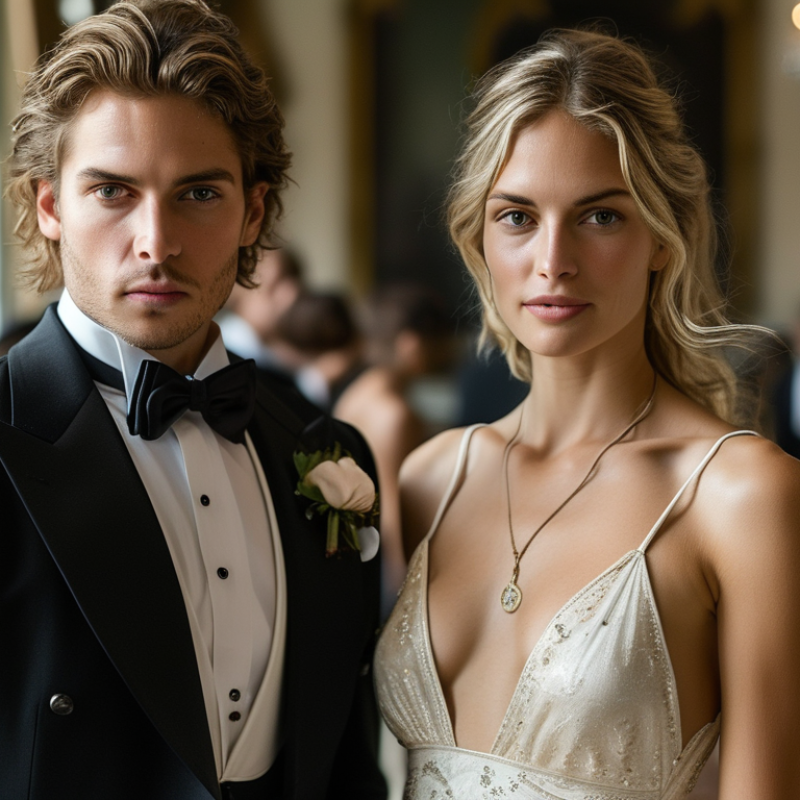
Formal wear typically includes evening gowns for women and tuxedos for men. This attire aims to convey elegance and sophistication for events like galas, weddings, or high-profile dinners.
The details matter greatly; silk fabrics, subtle embellishments, and well-tailored fits elevate the overall look. The goal is to make a lasting impression while adhering to the highest dress standards.
On the other hand, semi-formal wear provides more flexibility. For women, this can mean cocktail dresses or tailored suits, while men often opt for dress shirts and slacks.
These outfits are suitable for less formal occasions, like family gatherings or parties. While elegance is still important, outfits can be a bit more relaxed.
However, many people find it challenging to interpret the subtleties of semi-formal attire. Choosing the right shoes or accessories can be tricky.
A slight mismatch can lead to a look that feels off. Understanding the nuances helps in navigating these social gatherings more confidently.
Key Features of Formal Wear: Attire and Accessories
When it comes to formal wear, certain key features define its essence. Typically, formal attire includes tailored suits, dress shirts, and polished shoes. A classic tuxedo is a staple for men, often paired with a bow tie. For women, elegant gowns made from luxurious fabrics are the norm. Accessories play a crucial role in refining the overall look. A pocket square, cufflinks, or statement jewelry can elevate a simple outfit.
The importance of fit cannot be overstated. Tailored clothes not only enhance appearance but also boost confidence. A well-fitted suit or dress complements your body shape and highlights your best features. Accessories should harmonize with the outfit without overwhelming it. A delicate necklace with a dress or understated shoes with a suit creates a balanced look.
Choosing the right colors and fabrics is essential too. Darker shades often dominate formal wear, conveying sophistication. However, there’s room for creativity. A pop of color through accessories can make the outfit stand out. Mistakes in color choices or mismatched accessories can detract from the formal essence, reminding us to pay attention to details.
Characteristics of Semi-Formal Wear: Style and Comfort
When it comes to semi-formal wear, style and comfort go hand-in-hand. Semi-formal attire strikes a balance between dressed-up and casual. It allows the wearer to express personal style without sacrificing comfort. Fabrics like lightweight cotton and breathable blends are essential for a relaxed yet polished look. Tailoring plays a crucial role, ensuring that outfits fit well without feeling restrictive.
Incorporating vibrant colors and patterns can elevate semi-formal outfits. A tailored blazer paired with crisp chinos creates a sharp appearance. However, some may find it challenging to choose the right accessories. The key is to select items that enhance the overall look without overwhelming it. Classic watches or minimalistic jewelry can add elegance without being too flashy.
Tips: Invest in versatile pieces that work for various occasions. Always prioritize comfort, as feeling good enhances confidence. Don't hesitate to mix textures; a wool blazer with silk accents can create a sophisticated yet comfortable ensemble. Reflection on personal style is valuable. Be open to experimenting with different combinations to discover what feels right for you.
Appropriate Occasions for Formal Wear vs. Semi-Formal Wear
When choosing between formal and semi-formal wear, it's essential to consider the occasion. Formal wear is typically required for events like weddings, galas, or formal dinners. Black-tie events, for example, call for tuxedos for men and elegant evening gowns for women. These occasions demand a polished appearance, with attire that reflects the gravity of the event.
On the other hand, semi-formal wear serves as a bridge between formal and casual attire. This style is often seen at cocktail parties, receptions, and certain business events. Men can opt for a suit and tie, while women may choose a cocktail dress or a dressy skirt and top. Semi-formal wear allows for personal expression, making it a little less rigid than formal styles. However, it can sometimes be tricky to navigate. What feels appropriate in one social circle may not in another.
Understanding these distinctions can be difficult. You may risk over or underdressing. Pay attention to the host's invitation and the venue. A luxurious restaurant may suggest formal attire, while a garden party might lean towards semi-formal. It's always best to err on the side of caution and dress slightly more formally if you're unsure.
What is the Difference Between Formal and Semi Formal Wear? - Appropriate Occasions for Formal Wear vs. Semi-Formal Wear
| Category |
Formal Wear |
Semi-Formal Wear |
| Definition |
Attire that is more elegant and structured, usually involving suits and ties for men and gowns for women. |
A less formal style of dress that is still polished; can include smart dresses or dressy separates. |
| Occasions |
Weddings, galas, and formal business events. |
Cocktail parties, dinner parties, and some office events. |
| Men's Attire Examples |
Tuxedo, dark suits, white dress shirt, and a tie or bow tie. |
Suit or blazer with dress shirt, possibly without a tie; dress pants. |
| Women's Attire Examples |
Evening gown, cocktail dress, or formal jumpsuit. |
Cocktail dress, dressy top and skirt, or sophisticated pant suit. |
| Dress Code Description |
Strict adherence to formal dress standards. |
More lenient, allowing for a variety of styles. |
Tips for Choosing Between Formal and Semi-Formal Outfits
When deciding between formal and semi-formal attire, consider the event and its level of sophistication. Formal wear typically includes tuxedos and long gowns. For less formal events, semi-formal outfits often feature dress shirts and cocktail dresses. According to a recent survey by the Fashion Institute of Technology, 70% of attendees feel more comfortable in semi-formal clothing at social gatherings.
Choosing the right outfit requires understanding the dress code. Research shows that incorporating colors and accessories enhances appearance. For formal events, dark colors like black or navy are preferred. Semi-formal allows for more vibrant choices. Remember, comfort is key. A study shows that 65% of individuals feel less confident when uncomfortable in their attire. Many struggle to balance style and comfort, often opting for aesthetic over ease.
Sometimes, the outfit doesn’t convey the intended message. Mismatched expectations can cause anxiety. Finding the right balance is essential for gaining confidence. Consider the fabric and fit as well. Breathability matters, especially for long events. Observations indicate that 40% of dress failures happen due to poor fit. Investing time in outfit selection can lead to more enjoyable experiences.
FAQS
: Formal wear includes elegant attire like evening gowns for women and tuxedos for men.
It's suitable for events like galas, weddings, or high-profile dinners.
Tailored suits, polished shoes, and elegant dresses are essential characteristics of formal attire.
A well-fitted outfit enhances your appearance and boosts confidence. Fit is crucial.
Accessories like pocket squares, cufflinks, and statement jewelry refine the overall look.
Semi-formal wear offers more flexibility, including cocktail dresses or tailored suits for women and dress shirts for men.
Choosing the right shoes or accessories can be tricky. A slight mismatch can feel off.
Darker shades often convey sophistication, but pops of color can add creativity.
Mistakes in color choices or mismatched accessories can detract from the look.
Semi-formal outfits are suitable for less formal gatherings like family events or casual parties.
Conclusion
Understanding "what is the difference between formal and semi formal wear" is essential for navigating various social occasions. Formal wear typically includes tailored suits, tuxedos, and elegant dresses, characterized by their sophistication and adherence to traditional styles. Accessorizing with items like formal shoes, ties, and upscale jewelry enhances the polished look associated with formal events.
On the other hand, semi-formal wear merges style with comfort, featuring outfits like cocktail dresses for women and dress shirts with slacks for men. This attire is versatile, allowing for more creativity while still maintaining a level of elegance. Appropriate occasions for formal wear often include weddings and galas, whereas semi-formal wear is suitable for parties and less formal gatherings. When choosing between the two, consider the event's dress code and your personal comfort to make the best selection.

 Stabiae Clothe