China’s plus-size formalwear market is expanding, but choosing a dependable supplier requires more than counting catalog styles. Grand View Research estimated the global plus-size clothing market at approximately USD 288.5 billion in 2023, with continued growth expected through 2030. This demand reaches occasion dresses, tailored suits, evening gowns, and coordinated bridesmaid collections. Yet attractive photographs can hide narrow grading, weak seams, or uncomfortable lining.
The practical question is how to choose formal wear for plus size figures. Susan Moses, author of The Art of Dressing, advises, “Dress the body you have, not the body you wish you had.” Her principle applies to suppliers, too. A capable manufacturer should provide body-specific measurements, stable grading from 2XL upward, supportive fabrics, and sample garments tested while sitting, walking, and raising the arms. Look closely at the bust, waist, hip, and upper-arm measurements. Check whether the zipper moves smoothly and whether the shoulder seam stays in place.
This guide reviews China’s top 10 plus-size formalwear suppliers through product range, customization ability, minimum order quantity, fabric sourcing, sample quality, production control, and communication. Reports from Statista and Grand View Research indicate strong apparel demand, but market figures do not guarantee supplier reliability. They only show opportunity. A ranking can look precise. Reality is less tidy. Verify factory claims through pre-production samples, measurement charts, audit records, and independent quality inspections. The best supplier is not always the cheapest one. It is the partner whose garments fit real bodies consistently.
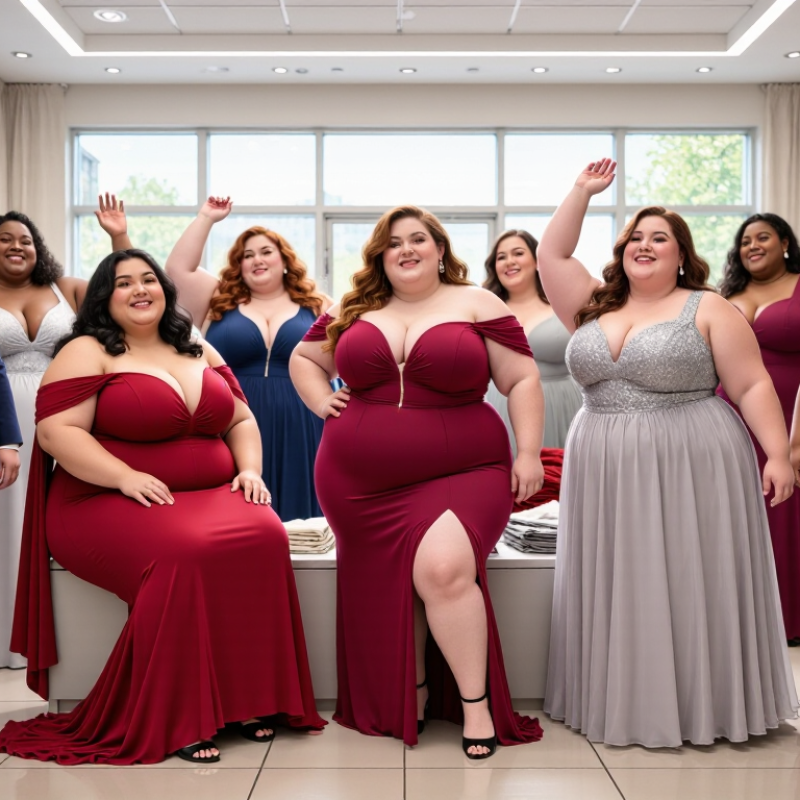
Plus-size formal wear is designed for fuller bodies, but it is not simply regular clothing in larger measurements. It needs balanced proportions, supportive construction, and movement-friendly shaping. A structured bodice should not dig into the waist. Sleeves need practical upper-arm ease. Skirts must fall smoothly over hips, not pull across them. Grand View Research estimates the global plus-size clothing market could reach about USD 601.7 billion in 2030, with steady annual growth. This scale shows demand, but demand alone does not guarantee good fit or quality.
Supplier selection matters because formalwear exposes small mistakes. Poor grading can create uneven shoulders, broken zippers, or lining that twists after sitting. In practical sample reviews, measurement charts often look accurate, while the finished garment feels restrictive. That gap deserves attention. The International Organization for Standardization recommends consistent sizing and measurement practices, yet suppliers may interpret size specifications differently. Request graded samples, fabric composition details, shrinkage results, and clear tolerance limits. Test garments while sitting, walking, and raising both arms.
Tips: Ask for a complete measurement spec before ordering. Check bust, waist, hip, sleeve, and back length separately. Request photos of inside seams and boning. Confirm whether the supplier tests stretch recovery after repeated wear. A small pilot order is safer than trusting attractive catalog images. Do not ignore uncomfortable samples. They are useful evidence.
Identifying China’s leading plus-size formal wear suppliers requires more than checking catalog photos. Examine their pattern-making experience, size range, and ability to adjust proportions beyond simple grading. Reliable suppliers should explain bust, waist, hip, sleeve, and length measurements clearly. Ask for fabric details, lining information, seam construction, and production tolerances. Specific answers show technical knowledge.
Request a sample in a larger size before placing a bulk order. Check shoulder balance, armhole comfort, zipper strength, and how the fabric falls while sitting. A polished sample can still hide problems. I have learned that fit comments must be written with exact measurements, not vague words like “make it looser.” Review factory videos, quality records, sample revisions, and communication speed. These details help separate experienced manufacturers from trading intermediaries.
Tips: Compare at least three suppliers. Ask for a measurement chart and grading rules. Confirm sample timelines, minimum quantities, inspection steps, and packaging details in writing. Look for suppliers who welcome corrections instead of promising perfection immediately. That matters. Also, request recent customer references when available, but verify claims through documents and consistent production evidence. A lower price may reflect thinner fabric, weaker finishing, or limited plus-size expertise. Reliable decisions come from testing, not assumptions.
When comparing China’s top plus size formal wear suppliers, examine the product before the price. Request fabric samples, stitching photos, and a finished sample in your target size. A structured dress should support the bust without pulling at the zipper. Check lining, seam strength, hem balance, and stretch recovery after sitting. These details reveal more than polished catalog images.
Size accuracy needs careful testing. Ask for a measurement chart covering bust, waist, hip, shoulder, armhole, sleeve, and garment length. Compare those numbers with actual body measurements, not standard labels. A supplier should explain grading between sizes and provide tolerance ranges. Poor grading can create tight sleeves and loose waists. It happens more often than buyers expect. Customization should include fabric weight, color matching, neckline shape, sleeves, closures, pockets, and modesty coverage. Confirm whether pattern changes require new sampling or extra fees. Some suppliers promise flexibility, but their production limits appear later.
Tips: Order one pre-production sample before placing a large order. Measure it flat and test movement, lighting, and comfort. Ask for a written specification sheet with revision dates. Keep approved measurements and photos together. This reduces misunderstandings, although it cannot remove every fitting risk. Allow time for one correction round. A rushed approval often becomes an expensive mistake. Reliable suppliers welcome specific questions and explain what they cannot adjust.
Anonymous supplier comparison using typical China manufacturing benchmarks for plus-size formal wear. Confirm all specifications, prices, and production schedules before ordering.
| Profile | Primary Formal-Wear Products | Typical Size Coverage | Size-Development Features to Compare | Customization Scope | Indicative MOQ | Sample Lead Time | Bulk Production Lead Time | Best-Fit Buyer | Key Verification Point |
|---|---|---|---|---|---|---|---|---|---|
| Profile 01 Full-Service OEM/ODM |
Evening gowns, prom dresses, bridesmaid dresses, cocktail dresses | US 16–40; EU 46–70; custom measurement charts available | Separate bust, waist, hip, armhole, sleeve, and length grading; petite and tall options | Pattern development, fabric, color, neckline, sleeves, lining, appliqué, packaging | 50–100 pieces per style/color | 7–15 days | 30–60 days after approval | Brands requiring end-to-end development | Request a graded plus-size sample, not only a standard-size sample |
| Profile 02 Special-Occasion Dress Maker |
Sequined gowns, satin dresses, lace dresses, mother-of-the-bride styles | US 16–36; selected styles up to US 40 | Bust support, corsetry, princess seams, modesty panels, extended zipper lengths | Embellishment placement, color matching, hemline, sleeve and back design | 30–80 pieces per style | 10–18 days | 35–65 days after approval | Eventwear and occasionwear retailers | Check sequin comfort, lining coverage, and seam strength at fuller measurements |
| Profile 03 Bridal and Bridesmaid Specialist |
Bridal gowns, bridesmaid dresses, reception dresses, flower-girl formalwear | US 16–32; made-to-measure options commonly available | Multi-point fitting, bust cup adjustment, corset back, train and hollow-to-hem options | Custom color, neckline, straps, train, lace, beading, detachable sleeves | 20–50 pieces per style | 14–21 days | 45–75 days after approval | Bridal boutiques and wedding planners | Confirm alteration allowance and measurement tolerance in writing |
| Profile 04 Corporate Uniform Manufacturer |
Blazers, skirt suits, trousers, formal dresses, hospitality uniforms | US 16–34; multi-size grading with custom size sets | Comfort ease, sitting ease, adjustable waistbands, mobility sleeves, functional pockets | Logo embroidery, corporate colors, woven labels, fabric performance, size charts | 100–300 pieces per style | 7–14 days | 30–50 days after approval | Hotels, restaurants, offices, and institutions | Request wear testing after laundering and prolonged sitting |
| Profile 05 Tailored Suit Factory |
Women’s suits, tuxedo jackets, formal trousers, waistcoats, coordinated separates | US 16–32; custom measurements supported | Full bust adjustment, shoulder balance, trouser rise, thigh ease, jacket length | Wool blends, stretch fabrics, lapels, buttons, vents, pocket styles, lining | 30–100 sets per style | 10–20 days | 35–60 days after approval | Professional and executive apparel brands | Evaluate internal construction, fusing, seam allowance, and pressing quality |
| Profile 06 Low-MOQ Boutique Supplier |
Cocktail dresses, simple gowns, jumpsuits, formal separates | US 16–28; limited extended grading | Basic bust, waist, and hip grading; limited petite or tall development | Color, label, minor neckline or sleeve changes; limited pattern alterations | 10–30 pieces per style/color | 5–12 days | 20–40 days after approval | Startups, boutiques, and test collections | Confirm whether the quoted MOQ applies per color, style, or total order |
| Profile 07 Sustainable Formalwear Producer |
Recycled-polyester dresses, organic-fiber separates, certified fabric occasionwear | US 16–32; custom size charts available | Inclusive grade rules, lower-impact cutting plans, fit testing across multiple sizes | Certified fabrics, recycled trims, packaging, dye shades, traceability documentation | 50–150 pieces per style | 10–18 days | 35–65 days after approval | Eco-conscious fashion labels | Verify certificate scope, transaction records, and fiber composition |
| Profile 08 Fast-Fashion Formalwear Factory |
Trend-led dresses, blazers, trousers, jumpsuits, partywear | US 16–26; selected styles up to US 32 | Standardized plus-size grading; fewer fit iterations | Color, print, trims, labels, minor silhouette adjustments | 100–500 pieces per style/color | 5–10 days | 20–40 days after approval | Volume-oriented online and retail sellers | Check actual garment measurements instead of relying only on size labels |
| Profile 09 Modest Formalwear Specialist |
Long-sleeve gowns, high-neck dresses, kaftans, formal skirts and tunics | US 16–36; length and sleeve adjustments available | Bicep circumference, shoulder coverage, full-length grading, relaxed hip ease | Sleeve, neckline, lining opacity, hem length, modesty layer, color | 30–100 pieces per style | 7–15 days | 30–55 days after approval | Modest-fashion and occasionwear retailers | Test opacity, sleeve mobility, heat comfort, and hem durability |
| Profile 10 Digital Sampling and Private-Label Factory |
Formal dresses, suits, uniforms, coordinated collections, private-label capsules | US 16–40; digital patterns and custom measurement charts | 3D fitting, digital pattern correction, size-set approval, measurement tolerance control | Full private label, patterns, tech packs, fabric sourcing, packaging, barcode labels | 50–200 pieces per style | 5–14 days for digital or physical sample | 30–60 days after final approval | Growing brands needing repeatable production | Ask for pattern files, measurement tolerances, inspection reports, and revision history |
Choosing a plus-size formal wear supplier requires evidence, not polished promises. Request a size-graded sample, measurement chart, fabric composition, and inspection photos. Check bust ease, armhole comfort, lining stability, and seam reinforcement. Formal garments often fail at movement points. That detail matters.
Pricing should be compared line by line. Include fabric weight, pattern grading, packaging, alterations, testing, and shipping. A low quotation can hide weak construction or unstable material costs. Ask for a three-year cost history, not one attractive offer. The World Bank’s 2023 Logistics Performance Index assessed 139 economies, including customs, tracking, and delivery timeliness. Use those indicators when judging export reliability, but do not treat them as a complete supplier score.
Compliance needs documents and verification. Request valid ISO 9001 certification, audit scope, corrective-action records, and chemical test reports. The ISO Survey reported more than 1.2 million ISO 9001 certificates worldwide in 2022, so certification alone does not prove good workmanship. Follow the OECD garment and footwear due-diligence approach: identify risks, document actions, and recheck improvements. Visit the factory when possible. Review actual production records, worker training, and complaint handling. Some suppliers will provide perfect files. Reality may still be messier. A small trial order, pre-shipment inspection, and clear replacement terms expose that gap before larger commitments.
Before placing a bulk order, buyers should verify demand, measurements, and supplier capacity. Grand View Research estimates the global plus-size clothing market at about USD 288.5 billion in 2023. It also projects steady growth through 2030. This signals opportunity, but formal wear needs stricter checks than casual clothing.
Request a current size chart, fabric composition, measurement tolerance, and production photos. Compare the chart with regional customer data, not assumptions. Ask for samples in several sizes, including the largest planned size. Check shoulder balance, bust ease, waist placement, sleeve comfort, lining, zippers, and sitting comfort. A beautiful sample may still fail after eight hours at an event. Buyers should also confirm minimum order quantity, lead time, carton details, inspection standards, and defect handling in writing. The International Trade Centre recommends clear product specifications for reducing cross-border trade misunderstandings. Keep every approval record.
Tips: Test samples with real wearers. Record movement, heat, and fit comments. Use an independent pre-shipment inspection when order value justifies it. Review grading rules carefully; adding width without adjusting armholes creates poor comfort. I once trusted a standard size table too quickly. That mistake caused avoidable alterations and delayed delivery. Leave time for one correction round. Ask the supplier to explain what cannot be changed before payment. A practical checklist beats a confident promise.
This planning model prioritizes the checks buyers should complete before placing a bulk order. Product fit and size consistency receive the highest weighting because plus-size formal wear requires reliable measurements, grading, and sample approval. The percentages are recommended procurement weights, not company rankings or market-share data.
Request a graded size sample, measurement chart, fabric composition, and production photos. Ask for current quality certificates and chemical test reports. Review audit scope, corrective actions, and inspection records. Documents help. They are not proof.
Check bust ease, armhole comfort, shoulder balance, and waist placement. Inspect lining stability, zipper function, and reinforced seams. Test the garment while sitting, walking, and raising both arms. Movement exposes weak construction.
Compare fabric weight, pattern grading, packaging, alterations, testing, and shipping. A low quotation may hide thinner fabric or unstable material costs. Request several years of cost history when possible. One attractive offer proves little.
Review valid certifications, audit findings, worker training, and complaint handling. Ask how corrective actions were completed and verified. Check whether documents match actual production records. Files can look perfect.
Review customs handling, shipment tracking, delivery timing, and past delays. Ask for lead times and carton details in writing. Use logistics data as one reference, not a complete supplier score. Real delivery history matters more.
Confirm demand, size requirements, minimum order quantity, lead time, and defect terms. Record every approved sample and measurement tolerance. Ask what cannot be changed after payment. Leave time for corrections.
Test samples with real wearers in several planned sizes. Record fit, heat, movement, sitting comfort, and sleeve pressure. Inspect the largest planned size carefully. A beautiful sample may still fail after eight hours.
Adding width without adjusting armholes often reduces comfort. A standard size chart may not match regional customer measurements. Compare supplier charts with real customer data. I trusted one too quickly. That caused delays.
Choosing the right plus-size formal wear supplier in China requires more than comparing catalogs and prices. Plus-size formal wear should combine elegant design, comfortable movement, supportive construction, and consistent sizing for different body shapes. Buyers should assess a supplier’s size range, fabric options, pattern development, customization abilities, sample quality, and production capacity. Understanding how to choose formal wear for plus size figures also means checking whether garments provide suitable proportions, flattering silhouettes, reliable closures, and comfort during extended wear.
Before placing a bulk order, buyers should compare quotations, minimum order quantities, lead times, quality-control procedures, packaging, communication efficiency, and after-sales support. Supplier verification is equally important: review business credentials, request detailed product specifications, inspect samples, confirm testing and labeling requirements, and clarify payment and inspection terms in writing. A small trial order can reveal production consistency and delivery reliability before larger commitments are made. By evaluating product performance, customization flexibility, compliance readiness, pricing transparency, and long-term cooperation potential, buyers can select a dependable supplier with greater confidence.

Stabiae Clothe