Choosing the right formal wear is essential for feeling confident and stylish. However, many people struggle with how to choose formal wear for different body types. Understanding your body shape can guide you in selecting attire that enhances your best features. It’s not just about trends; it’s about fit and comfort.
Many individuals overlook their unique body types when shopping for formalwear. This often leads to wearing clothes that do not flatter their figure. For instance, a tailored suit can make a significant difference for a rectangular body shape. Meanwhile, those with hourglass figures might focus on dresses that highlight their waist.
It's crucial to experiment with styles that suit your shape. The journey might involve some trial and error. Not every outfit will be flattering, and that’s acceptable. Embrace what feels good and looks right for you. Ultimately, the goal is to feel at ease while looking polished and put together.
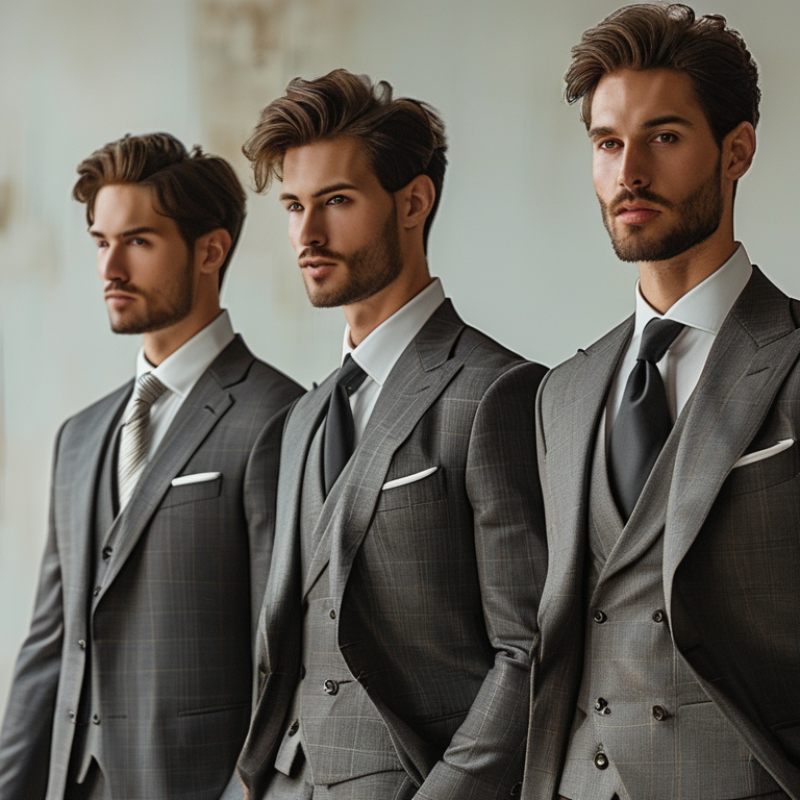
Understanding different body types is crucial for selecting appropriate formal wear.
According to a report by the American Apparel and Footwear Association, nearly 70% of consumers feel that clothing does not suit their body shape.
Recognizing key body types—apple, pear, hourglass, and rectangle—can help refine choices.
For example, those with an apple body shape often have a fuller midsection.
A-line dresses or tailored jackets can help create a balanced look.
Pear-shaped individuals typically have wider hips.
Adding details to the upper part of the outfit can draw attention upward. This practical approach allows for a more flattering fit.
Data from the Journal of Fashion and Textiles reveals that over 50% of women wear sizes that are not represented in standard sizing.
This discrepancy emphasizes the need for customizable designs.
Fitting rooms are where many people struggle.
It’s common to find an outfit that looks good on the hanger but fails to deliver once worn.
Thus, understanding your dimensions, fabric drapes, and cuts is essential.
This awareness can lead to a better experience and improved confidence in formal settings.
When selecting formal wear, understanding fabrics is crucial. Wool is a classic choice for its durability and elegance. It drapes well and holds shape over time. However, not all wool is created equal. Some variations can be itchy or too heavy, which can affect comfort levels. Cotton blends, while breathable, might lack the crispness desired in formal settings.
Consider the fit of your attire as much as the fabric. Tailored pieces can enhance a silhouette, while bagginess can overwhelm the body. Look for structured styles that define the waist or shoulders. Conversely, opting for overly tight clothing can restrict movement and create an unflattering look.
Silk and satin shine beautifully but require special care. They tend to be more delicate, which can lead to issues if not handled properly. Many people overlook this maintenance aspect. Reflect on your lifestyle and the occasions when you will wear the outfit. Functional garments can save stress during busy events. Balancing aesthetics with practicality is vital, as no formal look is complete without comfort.
This chart illustrates the recommended fabric types for various body shapes when selecting formal wear. The data reflects how common body types align with suitable fabric choices, helping individuals make informed decisions based on their unique physique.
Choosing the right footwear and accessories can elevate any formal outfit. It’s essential to match these elements to body shape for a balanced look. For instance, individuals with a pear-shaped body might consider pointed-toe heels. These not only elongate the legs but also draw attention upwards. Alternatively, ankle straps can add volume around the ankles, which may not be flattering for this body type.
A rectangular body type can benefit from bold accessories. Statement necklaces and wide belts help create curves and define the waist. Footwear choices like platform shoes or embellished flats can also introduce a playful element to the outfit. However, one should be cautious; too much embellishment can feel overwhelming. It’s all about striking the right balance.
For those with an apple-shaped body, opting for sleek, minimalistic footwear can streamline the silhouette. Simple, elegant accessories that don’t overpower the outfit are a smart choice. Remember, the goal is to highlight your best features while ensuring comfort. Reflect on your personal style and preferences. In the end, the right accessories enhance your confidence.
Choosing the right formal wear can be daunting, especially when considering different body types. Tailoring attire to individual figures is essential for looking polished and feeling comfortable. For instance, hourglass shapes benefit from fitted silhouettes that accentuate curves. Similarly, athletic builds often thrive in dresses or suits that highlight the waist and soften broad shoulders.
It's important to remember that not every style will fit perfectly. Finding a well-fitted suit can require multiple tries and some adjustments. Pear-shaped individuals might opt for an A-line skirt, balancing wider hips with a fitted top. Meanwhile, those with a rectangular body type may enhance their look with layered pieces or belted waistlines.
Experimentation is key. You might discover what feels good differs from what suits your figure best. Always trust your instincts when it comes to color and fabric choices, as they play a significant role in personal style. While trends can be tempting, a classic silhouette tailored for your body will always outshine fleeting fashions.
| Body Type | Recommended Fit | Style Tips |
|---|---|---|
| Pear Shape | A-line dresses, fitted waist, wide flares | Choose bold colors or patterns on top to draw attention upward. A tailored jacket can also help define the waist. |
| Apple Shape | Empire waist, flowy fabrics | Opt for v-necklines and structured blazers to create a balanced silhouette. Avoid clingy fabrics around the midsection. |
| Hourglass | Tailored fits, form-fitting styles | Highlight your curves with cinched waists and body-hugging silhouettes. Wrap dresses are a great choice. |
| Rectangle Shape | Structured shoulders, defined waist | Use layering and accessories to create curves. Consider peplum tops or dresses to add volume to the hips. |
| Inverted Triangle | A-line bottoms, flowy fabrics | Balance wider shoulders with skirts or trousers that have volume. Avoid excessive detail on the top. |
Choosing formal wear can be tricky, especially when considering different body types. One common mistake is picking styles that don’t flatter your figure. For instance, opting for overly loose or tight clothing can create an unbalanced silhouette. If you have a curvier body, avoid stiff fabrics that don’t allow for movement. Instead, choose materials that drape well.
Another frequent error is ignoring proportions. Pay attention to the length of your trousers and sleeves. Cropped pants can be unflattering on shorter legs. Similarly, long sleeves can overwhelm smaller frames. It’s important to tailor your outfits for a personalized fit. Neglecting this can lead to a lack of polish in your appearance.
Lastly, consider your comfort level. Formal wear should make you feel confident, not restricted. Many people wear heels or fitted styles that pinch, which can lead to discomfort. Prioritize comfort alongside aesthetics. This balance will not only enhance your look but also improve your overall demeanor.
: Wool is a classic choice for its durability and elegance.
Tailoring enhances fit and comforts, making it essential to look polished.
Some wool variations can be itchy or heavy, affecting comfort levels.
Pointed-toe heels can elongate legs and draw attention upwards effectively.
Sleek, minimalist footwear with simple accessories will streamline the silhouette.
Personal style influences confidence and helps highlight your best features.
Accessories should complement body shape and enhance the outfit, but avoid excess.
Not all styles fit everyone; different body types require specific tailoring approaches.
Delicate fabrics like silk require special care, which many people overlook.
Yes, trying different styles can help you find what feels and looks best.
When considering how to choose formal wear for different body types, it's crucial to first understand the various body shapes and their unique characteristics. Choosing the right styles and fabrics that flatter your figure can make a significant difference in your appearance. For instance, structured fabrics can provide shape for those with curvier forms, while softer materials may benefit leaner builds.
Footwear and accessories also play a vital role in enhancing your overall look. The right shoes can elongate your legs, and carefully selected accessories can draw attention to your best features. Additionally, tailoring is essential for ensuring a perfect fit, which can elevate any outfit. Avoid common mistakes, such as overlooking your body type or neglecting the importance of proportions, to ensure you look polished and confident in formal attire.

Stabiae Clothe