Formal wear should look polished without feeling like a daily endurance test. A beautiful jacket can still become uncomfortable after two hours of sitting, walking, and greeting guests. Fabric choice often determines that experience. It affects breathability, softness, stretch, weight, drape, and temperature control.
So, what fabrics are best for formal wear comfort? The answer depends on the event, climate, garment design, and your personal sensitivity. Fine wool remains a trusted choice because it regulates temperature and resists wrinkles. Wool blends can add durability and controlled stretch. Linen feels cool against the skin, although it creases easily. Silk offers a smooth touch and elegant movement, but it may require careful maintenance. Cotton can feel familiar and breathable, yet some formal cotton garments lose structure quickly.
No fabric is perfect.
From fitting-room experience, small details often matter more than expected. A breathable lining can prevent a damp back during a summer ceremony. A little elastane may make seated movement easier. A lightweight weave can reduce shoulder fatigue during a long reception. However, “soft” does not always mean comfortable for every wearer. Some people dislike wool texture, while others find synthetic fibers too warm.
This guide examines practical fabric qualities through professional textile knowledge and real wearing conditions. It considers airflow, moisture management, wrinkle behavior, durability, and skin comfort. It also questions common assumptions, because a fabric that performs well on paper may disappoint in actual use. The goal is simple: choose formal clothing that supports confidence, movement, and comfort from the first invitation to the final photograph.
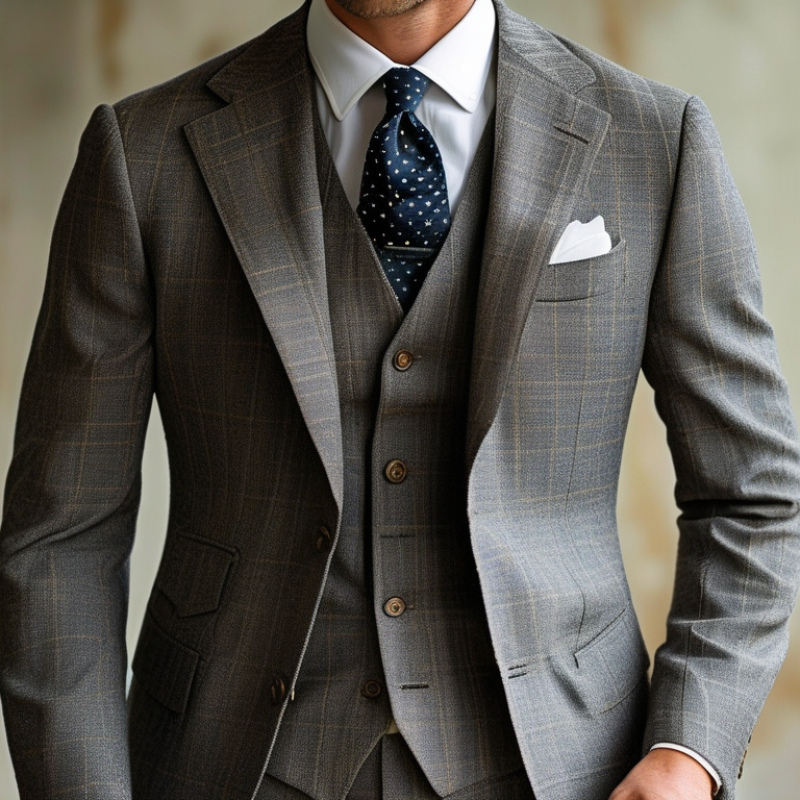
Choosing formalwear starts with movement, not appearance alone. In fittings, I test a jacket while sitting, reaching, and raising both arms. A sharp shoulder should not pull across the back. Trousers need room at the seat and knees. Excess fabric can look untidy, but extreme slimness creates heat and pressure. Fit is personal. Body shape, posture, and event length all matter. A fabric cannot rescue poor pattern-making.
Breathability depends on fiber, weave, weight, and lining. Open weaves allow air to move, while dense cloth often feels warmer indoors. Natural fibers can feel comfortable, but “natural” does not guarantee coolness. Lightweight wool, linen blends, and certain cotton constructions may perform differently in humid rooms. I prefer testing a sleeve against the wrist. If warmth builds quickly, it may become uncomfortable under stage lights. Some breathable fabrics wrinkle easily. That is a real compromise, not a flaw to hide.
Moisture management also deserves close attention. A fabric should absorb or release perspiration without clinging to the skin. A smooth lining can reduce friction, yet it may trap heat without ventilation. Check underarm panels, pocket areas, and seam finishing. Durability shows through repeated wear, brushing, and cleaning. Strong fibers help, but weak stitching can still fail. I once underestimated seat stress during long ceremonies. The cloth survived; the seams did not. Care instructions, storage, and honest wear testing often matter as much as fiber content.
How to Choose the Best Fabrics for Comfortable Formal Wear
Moisture regain strongly affects how formal clothing feels during a long day. Wool commonly retains 13–18% moisture under standard testing conditions. Cotton usually records 7–8.5%, while polyester holds only about 0.4%. These figures describe fiber behavior, not guaranteed garment performance. Weave, lining, fabric weight, and finishing also change the experience.
Wool can absorb vapor from warm skin and release it gradually. That helps a jacket feel less clammy during meetings or travel. Cotton feels familiar and breathable, but damp shirts may cling beneath a structured jacket. Polyester dries quickly because it absorbs very little water. However, low moisture regain can leave sweat sitting against the skin. That matters.
During fittings, I notice fabric choice most when clients remain seated for hours. A lightweight wool trouser often feels drier than a heavy cotton alternative. Still, wool is not automatically comfortable in every climate. Humid weather can overwhelm its absorption capacity, especially with dense tailoring. I would check the fabric label, touch the inner lining, and move in the garment before buying. A small amount of stretch may improve movement, but it cannot fix poor ventilation. Textile test values are useful evidence, yet personal comfort remains imperfect and worth questioning.
For comfortable formal wear, wool fineness deserves careful attention. Fibers measuring 17.5–19.5 μm usually balance softness, strength, and practical durability. Finer wool feels gentle against the neck and wrists. However, extremely fine fibers can crease or wear faster under frequent use. In my fitting experience, a medium-fine wool often performs better than the softest available option. Comfort is not only about softness.
A well-made formal garment also depends on fabric construction. A tightly woven wool can resist wrinkles while remaining breathable. Check the fabric under natural light. It should look even, without thin patches or loose threads. A partial lining may improve movement, but a heavy lining can trap heat. I once chose an exceptionally soft cloth for a long event. It felt luxurious at first, then became warm and slightly limp. That choice needed more thought.
Tips: Ask for the fiber fineness when specifications are available. Choose 17.5–18.5 μm for a softer feel and 18.5–19.5 μm for greater everyday resilience. Test the fabric against your wrist for several seconds. Then bend the sleeve and inspect its recovery. Consider your climate, commute, and sitting time before deciding. Wool quality can vary, even at the same micron rating. Never judge it by softness alone.
Wool fineness is measured by fiber diameter in micrometers (μm). Fibers in the 17.5–19.5 μm range are commonly selected for formal wear because they offer a practical balance between next-to-skin softness and fiber durability.
The values represent typical wool fiber diameters used in apparel. Lower micrometer values generally feel softer, while moderately finer fibers can provide a more balanced combination of comfort, resilience, and wear performance.
For comfortable formal wear, fabric weight deserves careful attention. A range of 180–260 g/m² usually offers practical flexibility for year-round suits. Lighter fabrics feel airy during warm commutes and busy indoor events. Heavier options provide better structure and warmth in cooler rooms. In my fitting experience, mid-weight wool blends often balance drape, breathability, and durability well. The jacket should move easily across your shoulders, not feel stiff when you reach forward.
Fabric weight is only one part of comfort. A tightly woven 220 g/m² cloth may feel warmer than a breathable 250 g/m² weave. Natural fibers can manage moisture, but fiber quality and finishing still matter. Check the fabric under direct light. A clean surface, even texture, and stable recovery suggest better construction. Try sitting for ten minutes before buying. Small pressure points often become obvious later. I once chose a beautifully structured suit that felt too warm indoors. That mistake changed how I judge comfort.
Tips: Match 180–210 g/m² with warm climates, active travel, or lightly layered outfits. Choose 220–260 g/m² for cooler seasons, air-conditioned offices, or sharper tailoring. Ask about lining, weave, and care requirements. A breathable half lining may improve comfort significantly. Do not rely on weight alone. Your climate, movement, and personal heat tolerance still decide the best fabric.
| Fabric Option | Typical Composition | Typical Weight | Breathability | Drape & Structure | Wrinkle Behavior | Best Wearing Conditions | Suitability for Formal Wear |
|---|---|---|---|---|---|---|---|
| Lightweight Worsted Wool | 100% wool or wool-rich blend | 180–220 g/m² | High; natural wool fibers can help regulate moisture and temperature | Clean, smooth surface with moderate structure | Naturally resilient; usually recovers well from light creasing | Mild to warm conditions; suitable for indoor office wear | Excellent for versatile, lightweight year-round suits |
| Midweight Worsted Wool | 100% wool or wool-rich blend | 220–260 g/m² | Moderate to high, depending on weave and lining | Balanced drape, shape retention, and professional appearance | Good crease recovery compared with many plant-based fibers | Broad seasonal range, especially transitional weather | Best all-purpose choice for frequent formal wear |
| Tropical Wool | Usually 100% wool with an open weave | 180–240 g/m² | Very high relative to denser suit fabrics | Light, fluid drape with less bulk | Generally good, although lightweight cloth may crease more readily | Warm or humid climates and heated indoor environments | Excellent for breathable summer and travel suits |
| Wool–Mohair Blend | Wool blended with mohair; blend ratios vary | 200–260 g/m² | Moderate to high, especially in open weaves | Crisp drape with a subtle lustrous surface and strong shape retention | Very good resistance to visible creasing | Formal events, commuting, and long days requiring a sharp appearance | Strong option when structure and crease resistance are priorities |
| Wool–Silk Blend | Wool blended with silk; blend ratios vary | 180–240 g/m² | Moderate; depends strongly on weave and lining | Soft drape with a refined surface and subtle sheen | Moderate; silk can make the fabric more delicate | Mild temperatures and special-occasion settings | Good for elegant formalwear where softness and visual refinement matter |
| Linen–Wool Blend | Wool blended with linen; blend ratios vary | 200–260 g/m² | High; linen promotes airflow while wool adds resilience | Relaxed drape with a natural texture | Moderate to high; natural creasing is part of its appearance | Warm-weather ceremonies and less rigid dress codes | Suitable for relaxed formalwear, but less ideal for crease-free occasions |
| High-Twist Wool | Wool yarns with a high-twist construction | 220–260 g/m² | Moderate to high, depending on openness of the weave | Firm, resilient drape with a lightly textured hand | Very good recovery and durability for regular use | Frequent commuting, travel, and changeable weather | Excellent practical choice for durable year-round tailoring |
| Polyester–Viscose Blend | Man-made polyester blended with regenerated viscose | 180–260 g/m² | Moderate; fiber ratio and fabric construction have a strong effect | Smooth, stable drape with a consistent appearance | Generally good wrinkle resistance; may retain heat more than lightweight wool | Office environments, uniforms, and budget-conscious formal wardrobes | Practical when easy maintenance and cost control are important |
How to Choose the Best Fabrics for Comfortable Formal Wear
Comfortable formal wear needs more than a smooth surface and attractive drape. Fabric must withstand repeated sitting, movement, and cleaning. ISO 12947 abrasion testing measures resistance under controlled rubbing, commonly using a Martindale method. Ask for the test result and the number of cycles completed. Higher resistance can benefit trousers, jacket elbows, and seat areas. However, laboratory performance does not perfectly predict every wearer’s experience.
Tips: Request reports from a qualified laboratory. Confirm the fabric construction and test conditions. Compare similar weights, not unrelated materials. Inspect a swatch under bright light. Rub it gently against a lining sample. Small details matter.
ISO 105-C06 evaluates colorfastness during domestic and commercial laundering. It checks color change and staining on adjacent materials. This matters when formal clothing is washed repeatedly or paired with light shirts. A strong result can reduce fading and unwanted color transfer, but it cannot replace proper care instructions. Fiber content, dye selection, finishing treatments, water quality, and heat may alter real performance. There is no universal “best” fabric. A highly abrasion-resistant cloth may feel stiff, while a softer fabric may crease sooner. That trade-off deserves honest attention. The most reliable choice combines test evidence, hand feel, garment design, and the wearer’s actual routine.
Test the jacket while sitting, reaching, and raising both arms. The shoulders should not pull across your back. Trousers need room at the seat and knees. Fit comes first.
No. Extreme slimness can create heat and pressure. Extra fabric may look untidy, but tight clothing restricts movement. Your posture, body shape, and event length matter. I once chose style over comfort. It was a poor decision.
Fabrics around 180–260 g/m² often provide useful flexibility. Choose 180–210 g/m² for warm climates and active travel. Choose 220–260 g/m² for cooler rooms and sharper tailoring. Weight alone cannot predict comfort.
Not necessarily. A dense 220 g/m² fabric may feel warmer than a breathable 250 g/m² weave. Weave, lining, fiber, and finishing all influence airflow. Check the cloth under direct light. Feel the sleeve against your wrist.
Hold the sleeve near your wrist for several seconds. If warmth builds quickly, stage lights may become uncomfortable. Open weaves usually allow more air movement. Breathable fabrics may wrinkle more easily. That is the trade-off.
Look for smooth lining, underarm panels, and clean seam finishing. The fabric should release moisture without clinging to your skin. A smooth lining can reduce friction, but poor ventilation may trap heat. Check the hidden areas.
Ask for ISO 12947 abrasion results and the completed test cycles. Higher resistance can help at trouser seats and jacket elbows. Request reports from a qualified laboratory. Laboratory results are useful, not perfect.
It evaluates colorfastness during laundering. The test checks color change and staining on nearby materials. Strong results may reduce fading and color transfer onto light shirts. Care instructions still matter.
Sit in the garment for ten minutes. Reach forward and notice pressure around the shoulders, knees, and seat. Consider your climate, commute, movement, and heat tolerance. I once ignored indoor warmth. I regretted it later.
Choosing what fabrics are best for formal wear comfort requires balancing fit, breathability, moisture control, softness, and durability. Wool is often a strong choice because its moisture regain ranges from 13–18%, helping manage humidity and maintain comfort. Cotton, with 7–8.5% moisture regain, can feel breathable and natural, while polyester absorbs very little moisture at about 0.4% and may feel less comfortable in warm conditions. For wool suits, fibers measuring 17.5–19.5 micrometers can provide a practical balance between softness against the skin and resistance to wear.
Fabric weight also affects versatility. Materials between 180 and 260 g/m² are generally suitable for year-round formal suits, offering structure without excessive heaviness. Before selecting a fabric, performance should be verified through recognized testing, including ISO 12947 for abrasion resistance and ISO 105-C06 for colorfastness. These checks help ensure that formalwear remains comfortable, presentable, and durable through repeated use and care.

Stabiae Clothe