Formal clothing can look expensive yet feel strangely unfinished. The reason is often hidden in the shoulders, sleeves, and trouser break. This explains why do formal outfits need tailoring remains an important question for professionals, wedding guests, and anyone building a reliable wardrobe.
Fit is visible. Movement exposes poor tailoring. A jacket may pull across the buttons when you reach for a glass. Sleeves may hide the shirt cuff. Trousers can collapse above the shoes, creating unnecessary folds. Tailoring corrects these small failures and gives the garment a cleaner relationship with the body. Alan Flusser, menswear author of Dressing the Man, states, “The most important thing about a suit is the fit.” His observation remains practical, not merely aesthetic. A tailored garment can also improve comfort, posture, and confidence during long meetings or formal events.
Industry data supports a more careful approach to clothing purchases. WRAP’s Valuing Our Clothes report found that extending a garment’s active life by nine months can reduce its carbon, water, and waste footprints by roughly 20–30 percent. McKinsey and The Business of Fashion’s State of Fashion report also describes a more value-conscious fashion market, where durability and product usefulness matter increasingly. Tailoring cannot solve every quality problem. A weak fabric remains weak. Alterations can also become expensive or imperfect. Still, repairing a nearly suitable suit may prevent an unnecessary replacement. These seven reasons show why precise adjustments often matter more than a higher price tag.
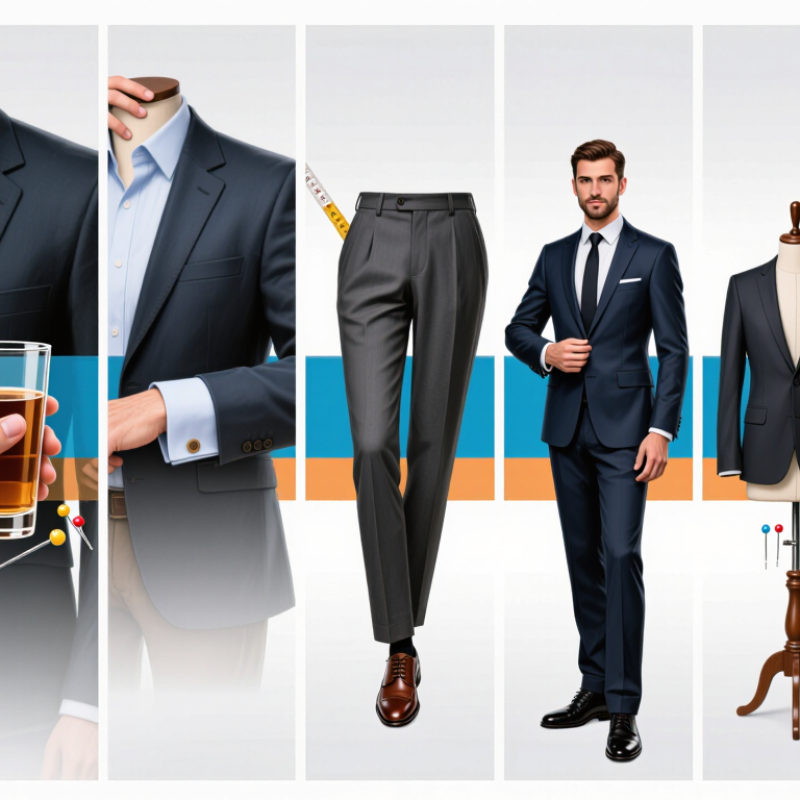
Formal tailoring means adapting a garment to the wearer, not forcing the wearer into a standard size. A skilled tailor checks shoulder balance, sleeve length, trouser rise, waist suppression, and the break above the shoe. These details shape movement and proportion. Small corrections matter. A jacket that follows the shoulder sits more cleanly, while properly adjusted sleeves reveal a measured amount of shirt cuff. Trousers should allow walking, sitting, and climbing stairs without pulling across the hips.
Tailoring also supports comfort, confidence, durability, and responsible consumption. The National Retail Federation and Appriss Retail reported an estimated 14.5% return rate for U.S. retail sales in 2023, worth about $743 billion. The report covers all retail categories, so it cannot prove that tailoring prevents every clothing return. Still, poor fit remains a practical reason for dissatisfaction, especially with formalwear purchased without fitting. A professional fitting can identify uneven posture, different leg lengths, or a sloping shoulder before alterations begin.
The U.S. Environmental Protection Agency’s latest published textile data, from 2018, recorded about 17 million tons of textile waste and only 2.5 million tons recycled. Extending a garment’s useful life through precise alterations can reduce premature replacement. Yet tailoring can overcorrect. A tighter waist may look sharp while restricting breathing. A narrow trouser may photograph well but fail during a long ceremony. Bodies change, measurements are imperfect, and the best formal outfit leaves room for real movement.
Formal outfits often look expensive because their proportions are controlled. A jacket can have excellent fabric and still appear careless when the shoulder line drops. Tailoring corrects that imbalance. A fitting specialist checks the shoulder, collar, chest, sleeve length, and button position. These details shape the body’s visual outline. A shorter jacket can lengthen the legs. A cleaner waist can create structure without feeling tight. Subtle changes matter.
Trousers need equal attention. The rise, seat, hem, and trouser break influence how balanced the whole outfit appears. Sleeves should reveal a small amount of shirt cuff, while the hem should meet the shoe cleanly. These adjustments improve movement and posture. They also prevent excess fabric from hiding the wearer’s natural shape. That visual balance feels professional.
According to WRAP’s Valuing Our Clothes report, extending a garment’s life by nine months can reduce its carbon, water, and waste footprints by around 20–30%. Textile Exchange’s Materials Market Report 2024 estimated global fibre production reached 132 million tonnes in 2023. Better fit may therefore support longer use, not just better appearance. Tailoring is not magic. Measurements can still be imperfect, and an overly narrow cut can restrict movement. A skilled alteration should respect comfort, fabric structure, and the wearer’s daily routine. Sometimes, leaving one small detail unchanged is the wiser decision.
A practical comparison of common formalwear fit areas, recommended adjustments, and the visual results they create.
| No. | Formalwear Area | Common Fit Issue | Typical Tailoring Adjustment | Effect on Proportion and Body Shape | Fit Checkpoint |
|---|---|---|---|---|---|
| 1 | Shoulder and Jacket Balance | Shoulder seams extend beyond the natural shoulder, or the jacket hangs unevenly. | Refine the shoulder line when construction allows; correct sleeve pitch and balance the front and back panels. | Creates a cleaner horizontal line and makes the upper body look structured without adding unnecessary bulk. | The shoulder seam should sit close to the shoulder edge without collapsing or creating excess ripples. |
| 2 | Jacket Waist Suppression | The jacket looks boxy at the waist or pulls into diagonal wrinkles when buttoned. | Take in or release the side seams and center-back seam while preserving comfortable movement. | Defines the natural torso line and creates a more balanced transition between the chest, waist, and hips. | When buttoned, the jacket should close smoothly with no prominent “X” wrinkles or open gaps. |
| 3 | Sleeve Length | Sleeves cover the shirt cuff completely or expose too much cuff. | Shorten or lengthen the sleeve when the cuff and button construction permit the alteration. | Shows the intended shirt-and-jacket layering and helps the arms appear correctly proportioned. | A modest amount of shirt cuff should remain visible when the arms rest naturally at the sides. |
| 4 | Trouser Waist and Seat | The waistband slides down, feels tight, or produces excess fabric at the seat. | Adjust the waistband, center-back seam, or seat area while maintaining the trouser’s original balance. | Keeps the trousers positioned at the intended rise and creates a smoother, more continuous lower-body line. | The waistband should remain secure without excessive pressure, gaping, or horizontal strain lines. |
| 5 | Trouser Break and Hem | The trousers bunch heavily over the shoes or end too high for the chosen formal style. | Set the hem length and break according to the trouser cut, shoe height, and preferred level of formality. | Reduces visual clutter around the ankle and makes the legs appear longer and more streamlined. | The front crease should fall cleanly toward the shoe, with limited fabric pooling at the hem. |
| 6 | Shirt Collar and Neckline | The collar gaps from the neck, feels restrictive, or disappears beneath the jacket. | Choose the correct collar size and adjust the shirt body or collar construction when feasible. | Frames the face more neatly and provides a stable visual connection between the shirt, tie, and jacket. | The collar should sit comfortably around the neck and remain in place when the head turns. |
| 7 | Overall Length and Vertical Lines | The jacket or shirt is too long, too short, or visually interrupts the body’s natural vertical lines. | Adjust garment length only within the limits of the original proportions, vents, pockets, and button placement. | Improves the relationship between torso and legs and helps the outfit look intentional rather than oversized or undersized. | Check the garment from the front, side, and back while standing and walking normally. |
Formal outfits need tailoring because comfort determines how confidently you move, sit, and work. The Global Wellness Institute’s 2024 report valued the wellness economy at $6.3 trillion in 2023. That figure reflects a wider demand for products supporting daily comfort, not appearance alone. Formalwear should follow this shift.
A tailor checks shoulder slope, sleeve pitch, trouser rise, and armhole depth. These details affect movement more than a larger size can. The U.S. Bureau of Labor Statistics reported that employed people worked 7.6 hours on average during workdays in 2024. A rigid jacket can feel manageable for ten minutes, then become restrictive during meetings, commuting, or long ceremonies. Proper sleeve length lets the wrist move freely. Correct trouser shaping prevents pulling at the knees and hips.
Small adjustments matter. Very much.
Industry research on clothing ergonomics also connects fit with perceived comfort and movement efficiency. However, tailoring is not magic. A poorly chosen fabric can still trap heat, and an overly slim cut may limit reaching. I have seen formal outfits look precise while causing constant shoulder tension. That is a fitting failure, not a personal weakness. Customized formalwear works best when the wearer describes real movements: climbing stairs, driving, lifting an arm, or sitting for hours. The final garment should support those actions quietly, without demanding attention.
7 Best Reasons Why Formal Outfits Need Tailoring?
A tailored formal outfit strengthens professional image through fit, proportion, and movement. McKinsey’s State of Fashion 2024 projected only 2% to 4% global fashion growth. That slower market makes quality and longevity more valuable. A jacket with clean shoulders and sleeves ending at the wrist looks intentional. Trousers should break lightly over polished shoes, not fold heavily above them. Small details matter.
Tailoring also influences personal style. A skilled alteration can preserve classic structure while reflecting your preferences. You might choose a higher waist, softer shoulder line, or a narrower leg. The 2012 Journal of Experimental Social Psychology study on “enclothed cognition” found that clothing affected attention when participants connected it with professional meaning. The finding does not prove confidence comes from clothing alone. Still, fit can change posture, comfort, and daily behavior.
From experience, the best formal outfit is rarely the most expensive one. It is the one that stays comfortable during a long meeting. A tailor can correct a twisting sleeve or a collar gap, but poor fabric cannot always be rescued. I still think many people alter jackets too aggressively. A sharp silhouette may look impressive in a fitting room, then restrict movement outdoors. Professional style needs restraint. Fit speaks quietly.
A formal outfit rarely fits every body straight from the rack. A tailor checks shoulder balance, sleeve length, trouser break, and the wearer’s natural posture. These details affect comfort and fabric stress. A jacket with tight armholes may pull at the lining whenever you reach forward. Correcting that pressure can help protect seams from early damage.
Small changes matter.
Proper alterations can also prevent unnecessary replacement. A shortened trouser hem reduces dragging and keeps the fabric away from wet pavements. Adjusted waistbands prevent repeated stretching around buttons and belt loops. A sleeve set at the right length protects shirt cuffs from excessive rubbing. These practical improvements keep garments useful for more seasons.
Waste starts there, when an uncomfortable outfit stays unworn.
Experienced tailors inspect seam allowances before altering formalwear. They consider whether fabric can be released, whether patterned lines will remain aligned, and whether the original structure can survive adjustment. Quality work should preserve the garment’s shape, not simply make it smaller.
Still, tailoring is not magic. Some worn linings, shiny elbows, or weakened fibers may need repair before alteration. I would also question every change that follows a short-lived trend. A perfect fit today can feel limiting after body changes, so leaving modest adjustment room may be wiser. Careful pressing, proper storage, and occasional professional inspection further reduce strain on wool, cotton, and blended fibers.
Tailoring adapts clothing to your body instead of forcing you into a standard size.
A tailor should inspect the shoulder line, collar, chest, sleeve length, and button position.
Trousers should allow walking, sitting, and climbing stairs without pulling across the hips.
Yes, careful alterations can reduce pressure around the shoulders, arms, waist, and hips.
A correct sleeve length reduces rubbing against shirt cuffs.
Better fit may keep formalwear in regular use for more seasons.
The tailor should inspect seam allowances, fabric strength, lining condition, and pattern alignment.
Yes, an overly narrow waist may restrict breathing and sitting.
No, leaving one detail unchanged may preserve comfort and the garment’s original structure.
Formal outfits need more than a standard size to look and feel their best. The question “why do formal outfits need tailoring” can be answered through fit, balance, and function. Thoughtful adjustments refine the shoulders, sleeves, waist, trouser length, and overall proportions, helping the garment complement the wearer’s body shape instead of appearing loose, tight, or unbalanced. Tailoring also improves comfort and mobility, allowing natural movement while preserving a polished silhouette.
Customized formalwear can strengthen a professional image by creating a neat, confident, and personal appearance. When clothing fits properly, details such as posture, line, and proportion become more refined, making the entire outfit look intentional. In addition, proper alterations can reduce unnecessary strain on fabric and seams, helping garments remain wearable for longer. By extending a garment’s useful life, tailoring supports better value, reduces waste, and encourages a more thoughtful approach to formal dressing.

Stabiae Clothe