Building a formal work wardrobe is not about owning ten expensive outfits. It is about choosing reliable pieces that support your role, schedule, and workplace culture. This guide explores the top 10 types, from tailored blazers and wool trousers to polished loafers, structured dresses, and practical outerwear.
Fashion mentor and television personality Tim Gunn offers a useful standard: “Make it work.” That advice applies to how to build a formal wardrobe for work. Begin with clothing that fits comfortably across a full working day. A navy blazer, crisp white shirt, charcoal trousers, and black leather shoes can create several professional combinations. Add a belt that matches the shoes. Keep the details intentional.
Fit matters more than labels.
During real workdays, small problems become obvious. Sleeves may catch on a desk. Unlined trousers may feel uncomfortable during commuting. A stiff collar may distract during presentations. Check these details before buying more clothing. A tailor can adjust sleeve length, trouser hems, and waistlines. These changes often improve appearance more than a higher price tag.
Still, this approach has limits. Not every office expects the same level of formality. Climate, body shape, budget, and cultural expectations influence every choice. A wool blazer may feel excellent in winter but impractical in a humid city. The strongest wardrobe is not perfectly uniform. It remains adaptable, comfortable, and honest about daily needs. Expect a few mistakes. Refine the system gradually.
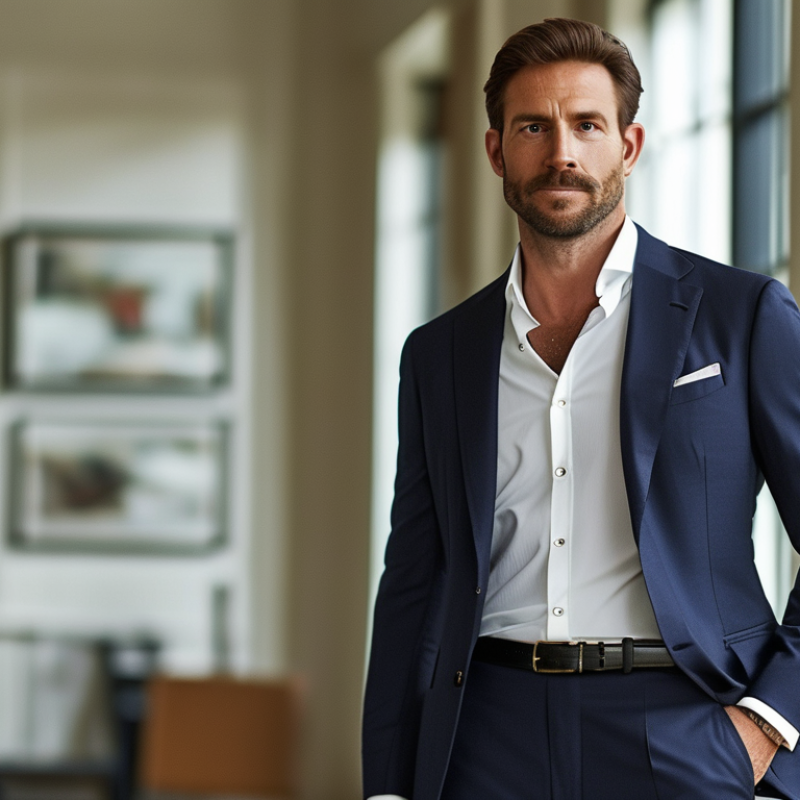
Defining the Essential Elements of a Formal Work Wardrobe
Top 10 Types for Building a Formal Work Wardrobe
A formal work wardrobe begins with reliable elements, not endless clothing. A tailored blazer, matching trousers, a structured skirt, a crisp shirt, a fine-knit top, a modest dress, polished loafers, low heels, a leather belt, and a practical tote create ten useful foundations.
Fit matters. Shoulders should sit flat, trouser hems should avoid dragging, and sleeves should reveal a small amount of wrist. These details make an outfit appear intentional without looking rigid.
Workplaces are changing quickly. Gallup’s 2024 State of the Global Workplace reports that
53%
of remote-capable employees follow a hybrid schedule, while
27%
work exclusively remotely.
This supports a wardrobe that moves between meeting rooms, video calls, and public transit. A blazer with soft structure can look formal on camera. Trousers with slight stretch can survive a long commute. Neutral colors also allow more combinations, reducing unnecessary purchases.
Deloitte’s 2024 Global Human Capital Trends reports that
74%
of surveyed leaders consider human performance highly important, yet only
17%
say their organizations excel at measuring it.
Clothing cannot create competence. It can, however, reduce small distractions. In personal wardrobe audits, I often find that people own enough formal pieces but lack dependable combinations. That is the flaw.
A perfect capsule may not fit every body, climate, or workplace culture. Leave room for adjustment. A slightly imperfect outfit, worn confidently and comfortably, may serve better than a highly polished one that restricts movement.
Ten Core Clothing Types for Professional Office Dressing
A formal office wardrobe works best when each garment has a clear job. In my experience, ten clothing types create more reliable choices than a crowded closet. A tailored blazer gives structure over a button-down shirt or a neat blouse. Straight-leg trousers balance both pieces and allow comfortable movement between meetings. A pencil skirt adds polish, but its fit should never restrict walking or sitting. A sheath dress offers a complete outfit when the morning is rushed. Keep colors restrained. Navy, charcoal, cream, and muted blue combine easily.
A fine-gauge cardigan softens a formal outfit without looking casual. A tailored coat protects the overall line during a commute. Closed-toe pumps bring traditional formality, while loafers provide a steadier option on long office days. Choose fabrics that resist wrinkling and feel breathable under indoor heating. Check seams, hems, and pocket gaps before buying; construction often matters more than decoration. A practical test is simple: sit, reach, and walk for several minutes.
Office expectations differ, so review your workplace dress policy before refining these ten core types. Formality also depends on meetings, client contact, and daily movement. I once favored a sharply fitted jacket, then learned that comfort affects posture and credibility. That lesson still needs repeating. Keep one spare blouse or shirt nearby for unexpected spills. Small preparation helps.
Top 10 Types for Building a Formal Work Wardrobe
A practical 20-piece wardrobe allocation for professional office dressing.
This planning model emphasizes versatile, repeatable pieces: shirts and blouses form the largest group, while tailored jackets, trousers, skirts, dresses, knitwear, shoes, and accessories provide structure and outfit variety. The quantities represent a practical wardrobe-planning benchmark rather than brand or company sales data.
Choosing Colors, Fabrics, and Fits for Workplace Formality
Top 10 Types for Building a Formal Work Wardrobe
Formal workwear begins with controlled color. Navy, charcoal, soft gray, and deep brown create a dependable foundation. Black works well for tailored trousers, structured dresses, and formal outerwear. Keep contrast modest. A pale blue shirt or muted ivory blouse can soften darker tailoring without looking casual. Strong colors may suit creative offices, but they require careful coordination.
Fabric affects both appearance and comfort. Choose breathable wool, cotton poplin, linen blends, or smooth twill for everyday pieces. Wool resists wrinkles and keeps its shape during long meetings. Cotton feels fresh, although it may crease before lunch. Avoid fabrics that shine under office lighting. Texture should look refined, not distracting. A blazer, two pairs of trousers, a skirt, a dress, two shirts, a blouse, a fine knit, a waistcoat, and formal shoes offer useful variety.
Fit matters more than labels. Shoulder seams should sit neatly, sleeves should reveal a small amount of shirt cuff, and trousers should fall cleanly over the shoe. Skirts and dresses should allow comfortable movement without constant adjustment. I sometimes choose a jacket slightly too fitted, believing it looks sharper. It usually feels restrictive by afternoon. That mistake taught me to test each garment while sitting, reaching, and walking. Leave room for real work. Small alterations can improve balance, but poor fabric quality cannot be repaired easily. Keep accessories quiet, and check every garment in natural light before wearing it to an important meeting.
Combining Wardrobe Pieces into Practical Professional Outfits
Top 10 Types for Building a Formal Work Wardrobe
A formal wardrobe works best when each piece earns more than one outfit.
Start with two tailored jackets, three shirts, one fitted trouser, one skirt, and a simple dress. Neutral tones create a reliable foundation, while one muted color adds personality without distracting from your role. The exact mix should reflect your workplace, commute, and climate.
Build outfits around proportion. Pair a structured jacket with a softer shirt, or balance wide-leg trousers with a neat, tucked-in top. A pencil skirt may look polished with a fine-knit layer and closed shoes. For meetings, repeat one visual line. Jackets and trousers in similar tones often appear sharper. Keep accessories quiet. A leather belt, modest watch, and clean folder can finish the look.
Test each combination before a busy morning.
Sit, walk, raise your arms, and check whether fabric pulls or wrinkles heavily. I once favored a beautiful fitted jacket that restricted movement; it looked formal but worked poorly. That mistake changed my buying habits. Comfort supports confidence, yet overly relaxed pieces can weaken authority. Small adjustments matter: shorten sleeves, press collars, and keep one backup shirt nearby.
Not every pairing succeeds. That is useful information.
Maintaining and Updating a Formal Work Wardrobe Over Time
A formal work wardrobe should be maintained like professional equipment, not replaced whenever trends change. Inspect each garment monthly for loose buttons, thinning fabric, shine, and damaged hems. A five-minute check can prevent a small repair from becoming an expensive replacement. Keep a simple wardrobe log. Record wear dates, repair costs, and fit problems.
The U.S. Bureau of Labor Statistics reported average annual spending of $2,041 on apparel and services in its 2023 Consumer Expenditure Survey. That figure makes maintenance financially practical. Rotate jackets and trousers instead of wearing the same combination repeatedly. Air garments after use, brush away dust, and follow care labels carefully. Store tailored pieces on broad, shaped hangers. Small details matter.
My own mistake was keeping uncomfortable trousers because they looked polished. I rarely wore them. Fit is part of durability. Update one item when your role, body, or workplace expectations change. Before buying, check whether the new piece works with at least three existing outfits. The Ellen MacArthur Foundation has reported that one truckload of textiles is landfilled or burned every second. That statistic makes careless replacement difficult to defend. Still, sustainability advice can become unrealistic. Some garments simply fail. Replace them thoughtfully, repair what remains useful, and question every purchase.
FAQS
: Choose a tailored blazer, matching trousers, a structured skirt, and a modest dress. Add crisp shirts, fine-knit tops, polished shoes, a leather belt, and a practical tote.
Navy, charcoal, soft gray, deep brown, and black create reliable combinations. Pale blue and muted ivory add gentle contrast. Strong colors need careful coordination.
Breathable wool, cotton poplin, linen blends, and smooth twill work well. Wool resists wrinkles during long meetings. Cotton feels fresh but may crease quickly.
Shoulder seams should sit flat, and sleeves should show a little wrist. Trousers should fall cleanly over shoes without dragging. Test garments while sitting, walking, and reaching.
Select soft-structured jackets for video calls and trousers with slight stretch. Choose pieces that handle meetings, commuting, and long periods of sitting. Comfort matters on camera too.
Before buying, check whether the item works with at least three existing outfits. A navy jacket might pair with gray trousers, a skirt, and a dress. This reduces unnecessary purchases.
Inspect clothing monthly for loose buttons, thinning fabric, shiny areas, and damaged hems. Air garments after wearing them. Use broad hangers for tailored pieces.
Replace it when discomfort prevents regular wear, even if it looks polished. I once kept restrictive trousers for appearance. They stayed in the wardrobe. Fit is part of durability.
Conclusion
Building a formal work wardrobe begins with a clear understanding of professional essentials: polished silhouettes, dependable layers, versatile footwear, and refined accessories. This guide explains how to build a formal wardrobe for work by introducing ten core clothing types, including tailored trousers, structured jackets, dress shirts, blouses, skirts, dresses, knitwear, formal coats, professional shoes, and understated accessories. Each piece should support a neat, confident appearance while offering enough flexibility for different office settings and schedules.
The article also explores how color, fabric, and fit influence workplace formality, recommending balanced tones, comfortable materials, and clean tailoring. It shows how to combine individual garments into practical outfits for meetings, presentations, and everyday office responsibilities without overcomplicating personal style. Finally, it covers long-term wardrobe maintenance, such as proper cleaning, timely repairs, seasonal adjustments, and thoughtful updates, helping professionals keep their clothing polished, functional, and appropriate over time.

 Stabiae Clothe